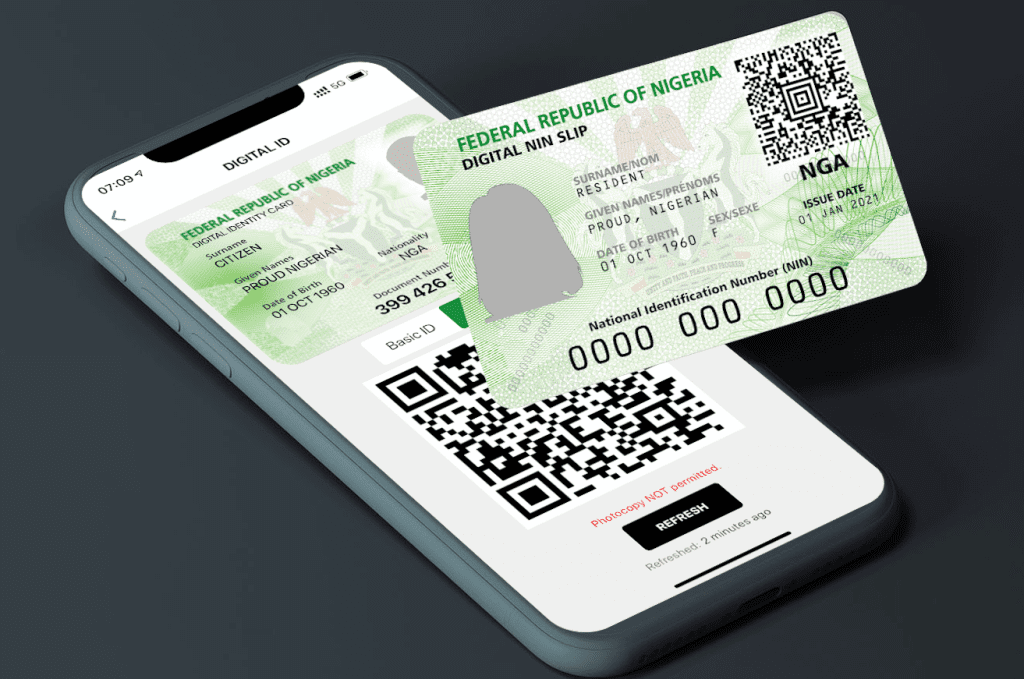
Nigeria’s Identity Management Agency is warning citizens about a growing wave of online scams built around fake National Identification Number (NIN) correction portals, as fraudsters increasingly exploit public demand for identity updates and verification services.
The National Identity Management Commission (NIMC) says it has identified unofficial websites and links circulating on social media and messaging platforms that claim to offer NIN correction, modification, or “upgrade” services for a fee. These platforms are not connected to the agency, but are designed to collect sensitive personal data from unsuspecting users.
Identity-related services have become a frequent target for scammers in Nigeria, largely because the NIN system is now tied to mobile SIM registration, banking verification, and access to a growing number of digital services. This centrality makes identity data both valuable and vulnerable, especially as more government and private services move online.
According to the NIMC, official NIN modifications can only be done through approved channels and accredited enrolment centres, not through random web links or third-party agents online. The agency is urging Nigerians to verify any service claims through its official communication channels before sharing personal information or making payments.
The rise of fake portals also reflects a broader challenge in Nigeria’s digital public infrastructure: as systems become more connected, criminals are increasingly building scams that mirror legitimate government processes. Users often struggle to distinguish between official platforms and convincing imitations, especially when urgent updates or corrections are involved.
NIMC’s warning underscores the need for stronger digital literacy and more visible authentication of government services online. As identity systems become central to financial inclusion, taxation, and telecommunications, protecting citizens from impersonation scams is becoming just as important as expanding access itself.
Leave a Reply