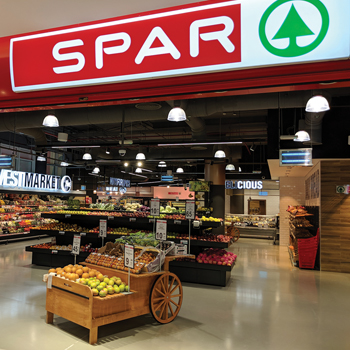
SPAR’s exit from the UK market marks the end of a long, difficult attempt to build a stronger foothold in one of Europe’s most competitive grocery retail environments, where price pressure, scale advantages, and shifting consumer habits have reshaped the sector.
The supermarket brand, known globally for its franchise model and convenience-focused stores, has operated in the UK for decades but struggled to match the dominance of larger chains like Tesco, Sainsbury’s, Aldi, and Lidl. Over the past 10 years, intensified competition from discount retailers and rising operational costs have made it harder for mid-tier grocery brands to maintain profitability and consistent growth.
According to reports from UK retail coverage, SPAR’s decision to withdraw follows years of restructuring efforts and attempts to reposition its UK operations. While SPAR continues to perform strongly in several international markets, the UK segment has remained challenging due to fragmented operations and intense price competition in both urban and suburban retail spaces.
The exit is likely to affect independent retailers operating under the SPAR franchise model in the UK, many of whom rely on the brand’s supply chain, product sourcing, and retail identity. Customers in affected areas may also see gradual rebranding or transitions to alternative convenience store operators as contracts wind down.
The situation highlights how difficult the UK grocery market has become for mid-sized players. Discount chains have reshaped consumer expectations around pricing, while large supermarkets benefit from logistics scale and data-driven supply chain optimisation. In this environment, smaller or hybrid models often struggle to maintain a clear competitive edge.
SPAR’s departure raises a broader question about the future of franchise-based grocery models in highly consolidated markets. As retail competition continues to tighten, success may depend less on brand recognition and more on deep operational efficiency and pricing power that only a few dominant players can sustain.
Leave a Reply