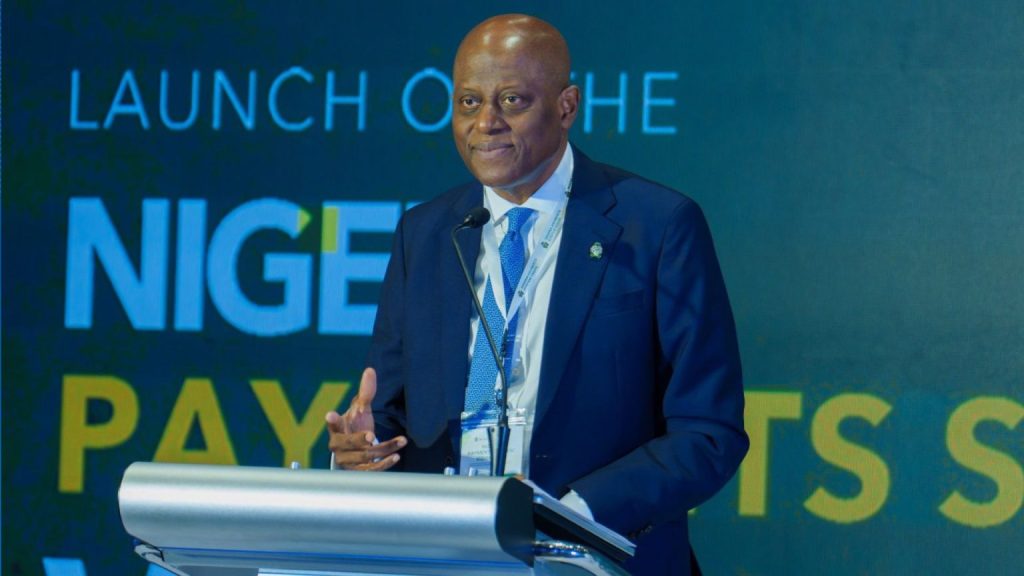
When the Central Bank of Nigeria (CBN) launched the eNaira in October 2021, it was heralded as a pioneering step toward financial inclusion and the modernization of the nation’s monetary framework. As Africa’s first Central Bank Digital Currency (CBDC), it was designed to offer a secure, cost-effective alternative to physical cash. However, the initial rollout faced significant hurdles. Many Nigerians viewed the eNaira primarily as a digital wallet, struggling to see its utility beyond what existing commercial banking apps already provided. Adoption remained sluggish, hampered by technical friction, limited merchant integration, and a general lack of public awareness regarding its distinct advantages over traditional electronic transfers.
Recognizing these challenges, the CBN has pivoted its strategy, shifting the focus from merely providing a digital wallet to positioning the eNaira as a robust, foundational infrastructure for national payments. This strategic evolution aims to integrate the CBDC into the daily transactional fabric of the economy. By leveraging the eNaira’s programmable nature, the apex bank intends to facilitate seamless cross-border trade, reduce reliance on cash for government disbursements, and lower transaction costs for small and medium-sized enterprises. The goal is to transform the eNaira from a static storage tool into a dynamic payment rail that operates efficiently even in areas with limited internet connectivity.
For this transition to succeed, the CBN must address the interoperability concerns that previously stifled growth. By fostering deeper collaboration with fintech firms and traditional banks, the eNaira can become the backbone of a more inclusive digital economy. The shift toward powering payments represents a pragmatic realization that a CBDC’s value lies not in its existence as a standalone app, but in its ability to facilitate frictionless value exchange. If the CBN successfully incentivizes merchants and simplifies the user experience, the eNaira could finally transcend its early struggles. Ultimately, the success of this initiative will depend on the bank’s ability to prove that the eNaira is not just a digital version of the naira, but a superior, more efficient medium for the future of Nigerian commerce.
Leave a Reply