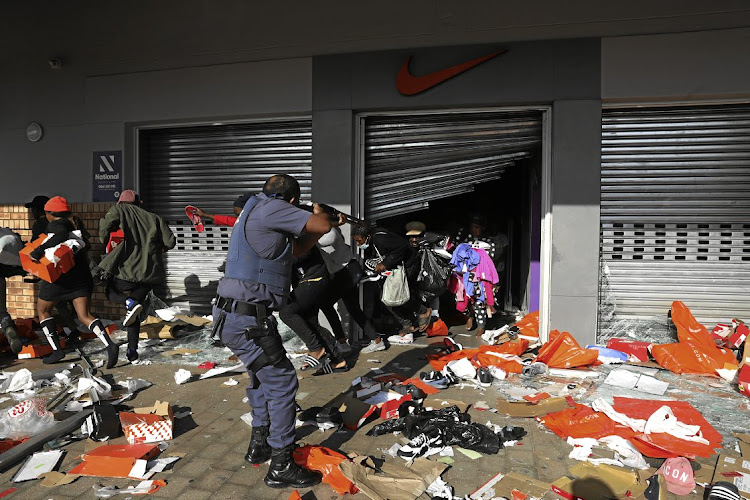
South African authorities are deploying advanced surveillance technologies, including drones, artificial intelligence (AI), and closed-circuit television (CCTV) cameras, to strengthen security ahead of planned anti-migrant protests expected to take place in several parts of the country. The move reflects growing efforts by law enforcement agencies to prevent violence, protect lives and property, and respond more effectively to potential public unrest.
The enhanced security measures come amid rising tensions over immigration, unemployment, and crime, issues that have fueled periodic demonstrations targeting foreign nationals living and working in South Africa. Previous protests have, at times, escalated into violence, resulting in attacks on migrant-owned businesses, displacement of communities, and significant economic losses.
By integrating modern surveillance technologies into its security operations, authorities aim to improve situational awareness before, during, and after the demonstrations. Drones will provide aerial monitoring of protest routes and public gathering points, allowing security agencies to identify emerging threats and coordinate rapid responses. AI-powered systems will assist in analysing video feeds, detecting unusual activity, and helping officers allocate resources more efficiently.
Existing CCTV camera networks across major cities are also expected to play a key role in monitoring crowd movements and identifying incidents requiring immediate intervention. Combined with command-and-control centres, these technologies are intended to provide real-time intelligence that supports informed decision-making by security personnel on the ground.
Government officials have stressed that the primary objective is to maintain public order while ensuring that peaceful demonstrations remain protected under the law. Security agencies have also appealed to protest organisers and participants to express their views peacefully and avoid actions that could incite violence or target vulnerable communities.
The planned deployment highlights the growing adoption of smart policing technologies across Africa. Increasingly, governments are investing in AI-driven surveillance tools, unmanned aerial vehicles, and digital monitoring systems to enhance public safety, improve emergency response, and strengthen crime prevention efforts. However, these technologies have also sparked debates around privacy, data protection, and the need for transparent oversight to prevent misuse.
Human rights organisations have urged authorities to ensure that surveillance measures comply with legal standards and respect citizens’ constitutional rights. They have also called for equal protection of both South African citizens and migrant communities, emphasising that law enforcement should remain impartial regardless of nationality or immigration status.
As South Africa prepares for the demonstrations, the focus remains on preventing a repeat of previous outbreaks of xenophobic violence. Effective coordination between security agencies, community leaders, and protest organisers will be critical in maintaining peace. While technology can improve preparedness and response capabilities, experts note that addressing the underlying socio-economic challenges driving anti-migrant sentiment will require long-term policy solutions beyond surveillance and policing alone.
Leave a Reply