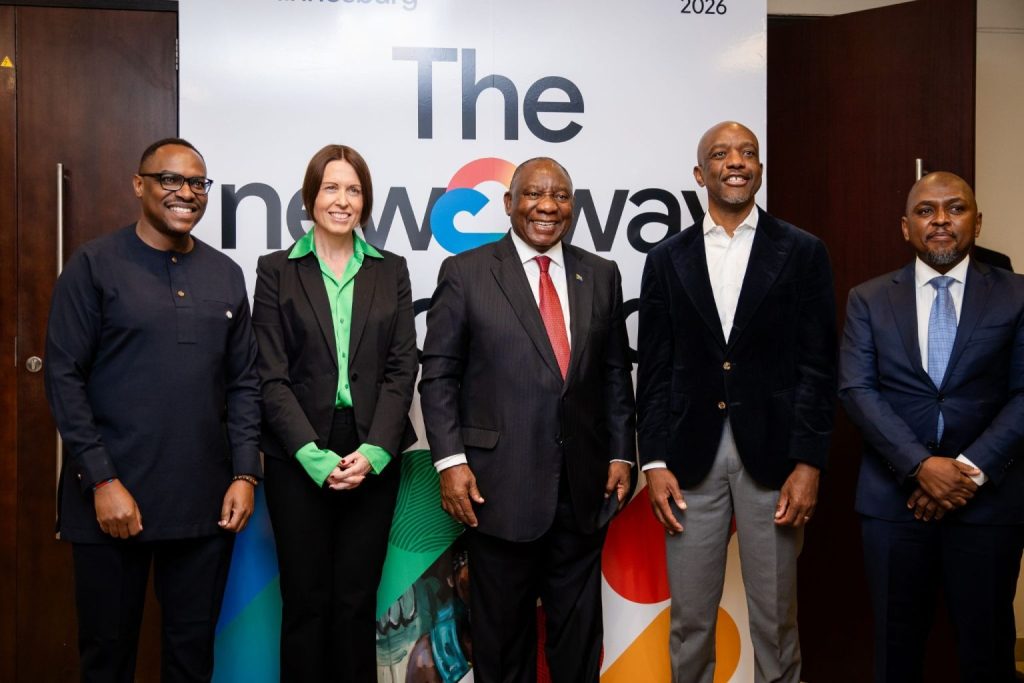
Google’s decision to deepen its artificial intelligence (AI) investments in South Africa reflects more than a regional expansion strategy—it signals the company’s belief that Africa is becoming an important contributor to the next generation of AI innovation. With a growing pool of technical talent, improving digital infrastructure, and increasing demand for AI-powered solutions, South Africa has emerged as a strategic hub for Google’s ambitions across the continent.
The country offers one of Africa’s most mature technology ecosystems. Universities such as the University of Cape Town, Stellenbosch University, and the University of the Witwatersrand produce thousands of engineering, computer science, and data science graduates each year. Combined with a thriving startup ecosystem, these institutions provide Google with access to researchers and developers capable of building AI solutions tailored to African challenges.
Beyond talent, South Africa serves as a gateway to the broader African market. The country boasts relatively advanced internet connectivity, established cloud infrastructure, and a strong business environment compared to many neighboring markets. These advantages make it an ideal location for testing, deploying, and scaling AI products that can later expand into other African countries.
Google’s investments are also closely tied to solving local problems rather than simply exporting global AI models. The company has supported research into African languages, recognizing that many global AI systems underperform when handling indigenous languages and regional dialects. By improving language models for African users, Google aims to make AI tools more inclusive and accessible across education, healthcare, agriculture, and public services.
Another key driver is Africa’s rapidly growing digital economy. The continent has one of the world’s youngest populations, with millions of new internet users coming online every year. Businesses are increasingly adopting cloud computing, automation, and generative AI to improve productivity. Google sees this transformation as an opportunity to expand its cloud services while helping local enterprises integrate AI into everyday operations.
South Africa is also benefiting from partnerships between Google and local governments, universities, startups, and nonprofit organizations. These collaborations focus on AI research, digital skills training, cybersecurity, and responsible AI development. By investing in local capacity instead of merely selling products, Google is positioning itself as a long-term technology partner rather than a foreign vendor.
Competition is another factor. Global technology companies, including Microsoft, Amazon Web Services, and Nvidia, have all increased their investments across Africa in recent years. Establishing a stronger AI presence in South Africa enables Google to strengthen its leadership in cloud computing, machine learning, and developer ecosystems while supporting local innovation.
Ultimately, Google’s AI strategy in South Africa reflects a broader shift in how global technology companies view Africa. Rather than seeing the continent solely as a consumer market, they increasingly recognize it as a source of innovation, talent, and AI development. If sustained investments continue in infrastructure, education, and responsible AI governance, South Africa could become one of the leading centers shaping Africa’s digital future and ensuring that the continent plays an active role in the global AI economy.
Leave a Reply