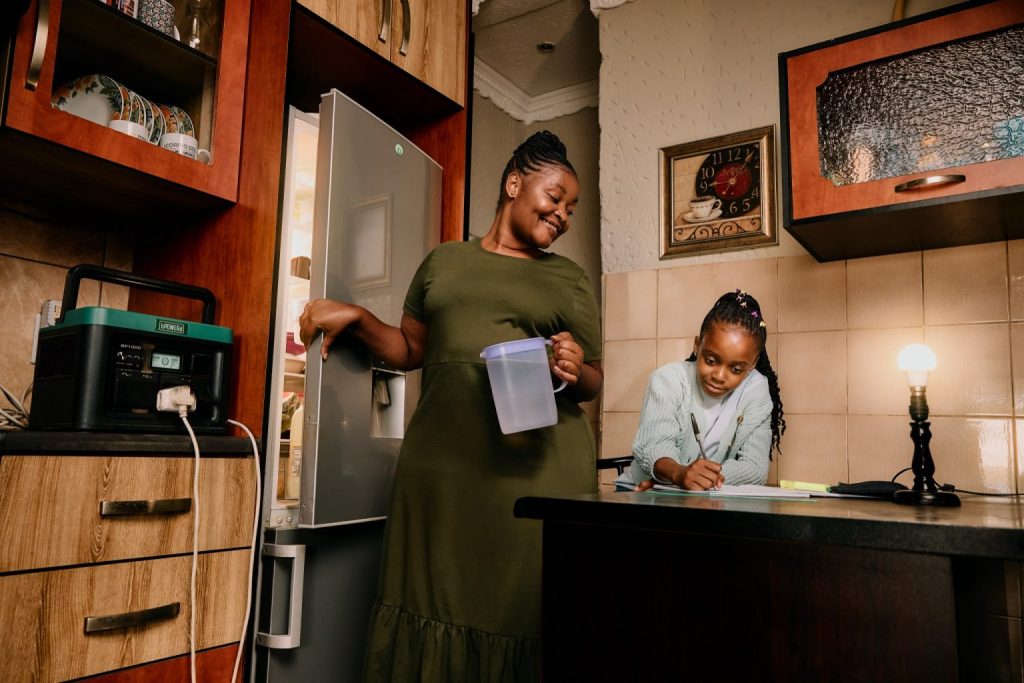
Rising electricity costs and unreliable power supply are accelerating demand for battery rental services across Africa, with a business model that gained traction in South Africa now expanding into Nigeria. As households and businesses seek affordable alternatives to fuel-powered generators, battery-as-a-service providers are positioning themselves as a practical solution to the continent’s persistent energy challenges.
South Africa’s prolonged electricity crisis, driven by years of load shedding, created fertile ground for companies offering rechargeable battery systems through subscription or rental plans. Rather than paying the high upfront cost of purchasing lithium-ion batteries and inverters, customers pay a monthly fee to access backup power, maintenance, and replacement services. The model has become particularly attractive to small businesses, homeowners, and remote workers who require uninterrupted electricity.
The concept is now finding relevance in Nigeria, where recent electricity tariff increases, rising fuel prices, and inflation have significantly increased the cost of running diesel and petrol generators. While generators remain the dominant backup power source, many consumers are beginning to consider battery rentals as a cleaner and more predictable alternative.
Battery rental providers typically bundle lithium battery storage with inverters and, in some cases, solar panels. Customers pay a recurring subscription that covers installation, monitoring, maintenance, and equipment replacement if faults occur. This reduces the financial barrier associated with purchasing complete solar energy systems, which can cost several million naira for medium-sized homes and businesses.
For small enterprises such as salons, pharmacies, restaurants, and neighbourhood shops, predictable monthly payments can be easier to manage than fluctuating fuel expenses. As battery technology continues to improve and lithium battery prices gradually decline globally, service providers are becoming more competitive against traditional backup power solutions.
The rental model also supports broader energy transition goals. Battery systems produce no direct emissions during operation and significantly reduce dependence on fossil fuel generators that contribute to urban air pollution and greenhouse gas emissions. When paired with rooftop solar panels, these systems allow users to store renewable energy during the day and use it during power outages or peak electricity pricing periods.
However, challenges remain. Battery imports are still subject to foreign exchange volatility, while financing large inventories requires significant capital investment from providers. Companies must also educate consumers about battery lifespan, charging behaviour, and long-term cost savings compared with conventional generators.
Despite these hurdles, industry analysts believe battery rentals could become a major segment of Africa’s distributed energy market. Investors are increasingly backing energy startups that offer flexible financing models instead of outright equipment sales, making clean energy accessible to a wider population.
As electricity prices continue to rise across the continent, battery rental services are emerging as more than just an emergency power solution. They represent a shift toward energy access models built on affordability, flexibility, and sustainability, potentially reshaping how millions of African homes and businesses secure reliable electricity in the years ahead.
Leave a Reply