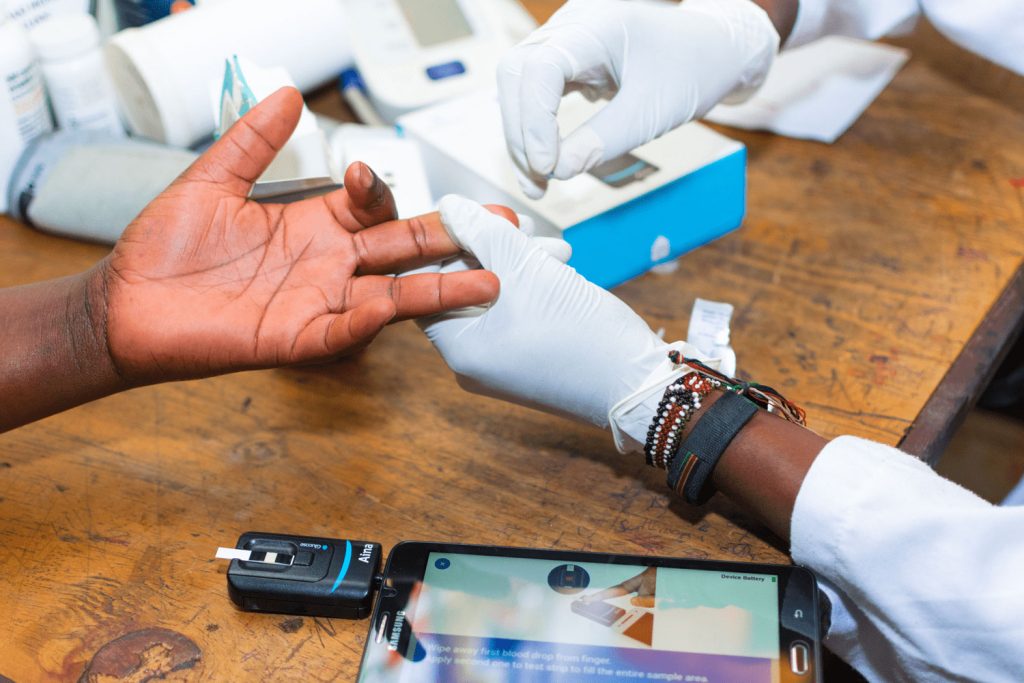
The United Nations Development Programme (UNDP) has launched a Pan-African HealthTech Launchpad aimed at helping the continent’s next generation of healthcare startups develop, scale and reach more patients.
The initiative reflects a growing recognition that technology will play an increasingly important role in addressing Africa’s healthcare challenges. Across the continent, health systems continue to face shortages of medical professionals, limited infrastructure, high costs and unequal access to quality healthcare. At the same time, a new generation of African entrepreneurs is developing digital tools designed to tackle these problems.
The HealthTech Launchpad is intended to provide these startups with more than just visibility. Early-stage health companies often struggle to move from promising pilots to sustainable businesses because they lack access to capital, experienced mentors, technical expertise and large healthcare markets. The programme seeks to address some of these barriers by creating opportunities for entrepreneurs to strengthen their solutions and prepare for scale.
Its Pan-African focus is particularly important. Healthcare challenges vary across African countries, but many of the underlying problems are shared. Digital health platforms, remote-care solutions, diagnostic technologies, health-financing tools and data systems can potentially be adapted across different markets.
By connecting founders from different parts of the continent, the programme can also encourage collaboration and knowledge sharing. A startup that has successfully solved a healthcare delivery problem in one African market could potentially provide insights for entrepreneurs facing similar challenges elsewhere.
The initiative also comes as African investors increasingly show interest in technology-enabled healthcare. HealthTech companies are attracting attention because they can address large unmet needs while using technology to improve efficiency. However, healthcare startups face additional challenges compared with many other technology businesses, including regulation, patient safety, data privacy and lengthy adoption cycles.
Support programmes therefore have an important role to play in helping founders understand these requirements. Building a successful healthcare startup is not simply about creating an app or platform. Entrepreneurs must demonstrate that their products are safe, useful, affordable and capable of integrating into existing healthcare systems.
Another potential benefit is the opportunity to connect startups with governments, hospitals, development organisations and private-sector partners. These relationships can be critical because healthcare technology often needs institutional adoption before it can reach millions of users.
For Africa, scaling these businesses could have significant economic and social benefits. Successful HealthTech companies can create jobs, attract investment and build new digital infrastructure while improving access to healthcare services.
However, the success of the launchpad will ultimately depend on what happens after acceleration. Startups need continued access to funding, customers and supportive regulation if they are to grow beyond pilot programmes.
The UNDP initiative therefore represents a broader attempt to strengthen Africa’s healthcare innovation ecosystem. Rather than treating technology as a standalone solution, it places entrepreneurs within a wider network of investors, institutions and healthcare stakeholders.
Africa’s healthcare challenges are substantial, but so is the continent’s entrepreneurial potential. By giving HealthTech founders the resources and connections needed to scale, the Pan-African HealthTech Launchpad could help transform locally developed solutions into businesses capable of serving patients across borders.
The opportunity is not simply to create more healthcare startups. It is to build a stronger generation of African companies capable of making healthcare more accessible, affordable and efficient.
Leave a Reply