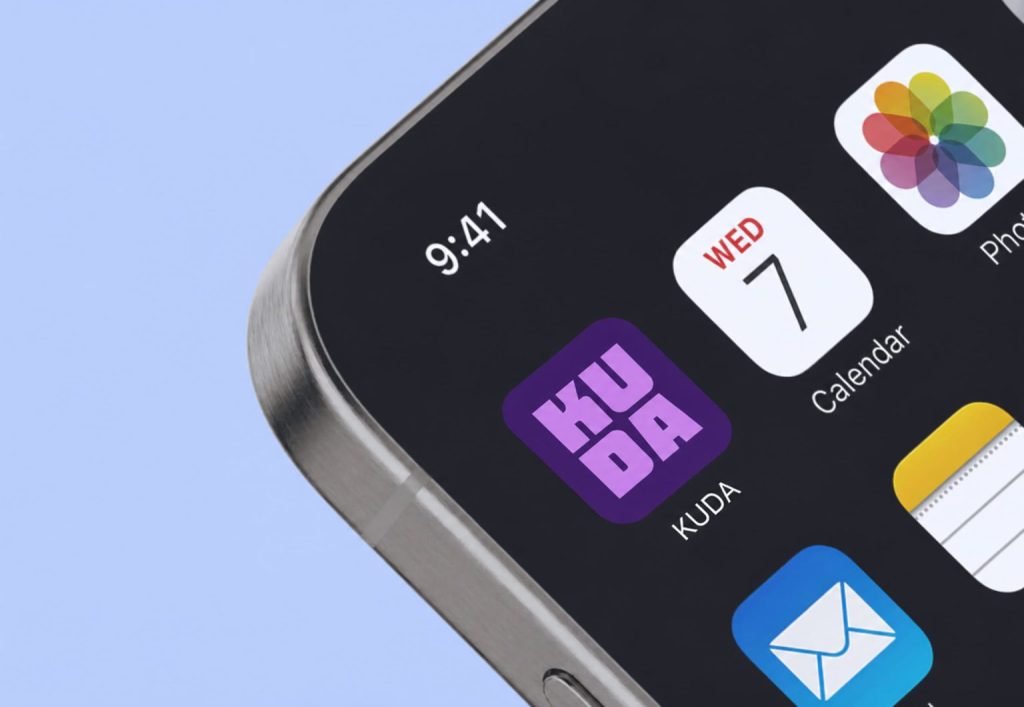
Kuda built its reputation around a simple promise: banking should be easier, cheaper and more accessible. Branded the “Bank of the Free,” the Nigerian digital bank attracted millions of customers by removing many of the fees and barriers associated with traditional banking. But Kuda is now moving beyond that original identity, expanding into a broader financial services platform designed to become a bigger part of how Nigerians manage their money.
The change reflects how Nigeria’s fintech market has evolved. Digital banks can no longer rely solely on free transfers and attractive user interfaces to stand out. Competition has intensified, while customers increasingly expect their financial apps to offer savings, credit, payments, investments and business services in one place.
Kuda already has many of those pieces. Its current offering includes savings products, overdrafts, investments, payments and premium services. The company also operates Kuda Business, which provides entrepreneurs with tools including invoicing, payment collection, POS services, payroll and business APIs.
That expansion is particularly important because small businesses represent a large opportunity in Nigeria. Instead of serving customers only as individuals, Kuda can build deeper relationships with entrepreneurs by helping them collect payments, manage expenses, pay employees and access financial services. Its business platform now supports both freelancers and larger registered companies, with full business accounts offering transaction limits of up to ₦250 million per day.
Kuda’s evolution is also visible in its infrastructure. The company has invested in its own core banking technology, a decision it says was intended to give it greater control over its systems as it scaled. Kuda reportedly had more than seven million customers by early 2026, making reliability and scalability increasingly important.
The company is also gradually becoming less defined by its purely digital identity. Kuda has a physical branch in Lagos and has indicated that another location is coming in Abuja, reflecting a broader strategy that combines digital banking with physical access when customers need it.
Yet becoming “more” creates a challenge. Kuda must expand its revenue streams without losing the simplicity that attracted its original customers. Its free-transfer promise remains central, with customers receiving 25 free transfers to other banks each month when they provide their BVN or NIN.
The next phase, therefore, is not simply about abandoning the “Bank of the Free” identity. It is about turning that identity into a larger financial relationship. Kuda wants customers to spend, save, borrow, invest and run businesses through its ecosystem.
If it succeeds, Kuda could evolve from a digital bank that challenged traditional banking fees into a comprehensive financial platform. The real test will be whether it can expand that ecosystem while keeping the affordability, accessibility and simplicity that made the “Bank of the Free” brand powerful in the first place.
Leave a Reply