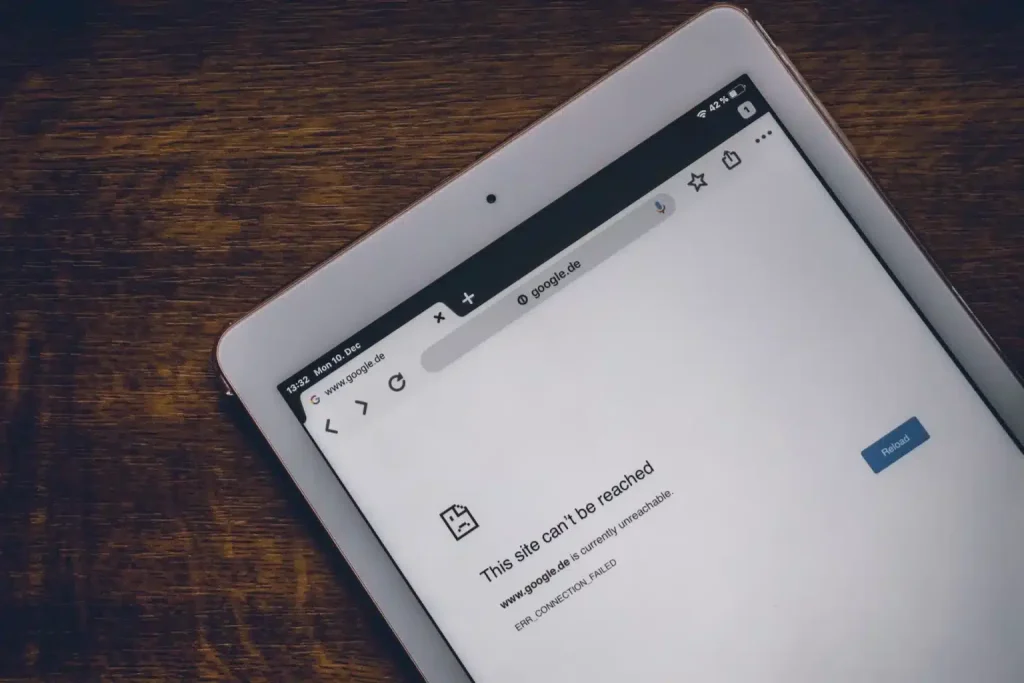
The Democratic Republic of Congo’s internet shutdown in the east has now lasted more than a month, turning a measure linked to the country’s worsening security situation into a growing digital-rights and humanitarian concern. Internet and mobile telecommunications services have been unavailable in Fizi Territory, including the city of Baraka in South Kivu province, since July 3, 2026.
The blackout comes as fighting intensifies in South Kivu. Authorities have not provided a detailed public explanation for the prolonged disruption, while local reports have connected the communications restrictions to security operations amid the conflict involving government forces and armed groups allied with M23/AFC.
The consequences, however, extend far beyond social media. Residents have been unable to make ordinary phone calls, send SMS messages or use internet-based communication services. Families struggling to reach relatives are among those affected, while businesses have lost access to digital services and mobile money.
Journalists have faced particularly difficult conditions. According to the Committee to Protect Journalists (CPJ), reporters in the affected areas cannot reliably research stories, communicate with sources or publish information online. Some local radio stations have also suspended news bulletins because they cannot receive or relay material from other media organisations.
The shutdown has also affected attempts to use alternative connectivity. CPJ reported that soldiers seized Starlink equipment belonging to several community radio stations and other organisations that attempted to restore internet access. Journalists said the military told them the equipment would be returned when the war ended.
For humanitarian organisations, the communication gap creates another serious problem. Aid workers operating in conflict-affected communities depend on reliable communication to coordinate operations, monitor developments and maintain contact with vulnerable populations. When those channels disappear, delivering assistance becomes more complicated.
CPJ has urged Congolese authorities to restore telecommunications and internet services, arguing that the conflict should not become a justification for blocking access to information. The organisation says the shutdown interferes with communication and information rights protected under international principles and the DRC constitution.
This is not the first time internet restrictions have accompanied conflict in the DRC. During the M23 advance on Goma in early 2025, authorities also disrupted internet access and restricted some social-media platforms as fighting escalated
The latest blackout highlights the difficult balance between security concerns and citizens’ right to communicate. In a conflict zone, reliable connectivity can help authorities respond to threats, but it also allows civilians to contact relatives, journalists to verify information and humanitarian organisations to coordinate assistance.
As the shutdown moves beyond a month, pressure is growing for the government to restore connectivity. For residents of Fizi and Baraka, the issue is no longer simply about being offline. It is about access to information, livelihoods, emergency communication and the ability to remain connected to the outside world during a war.
Leave a Reply