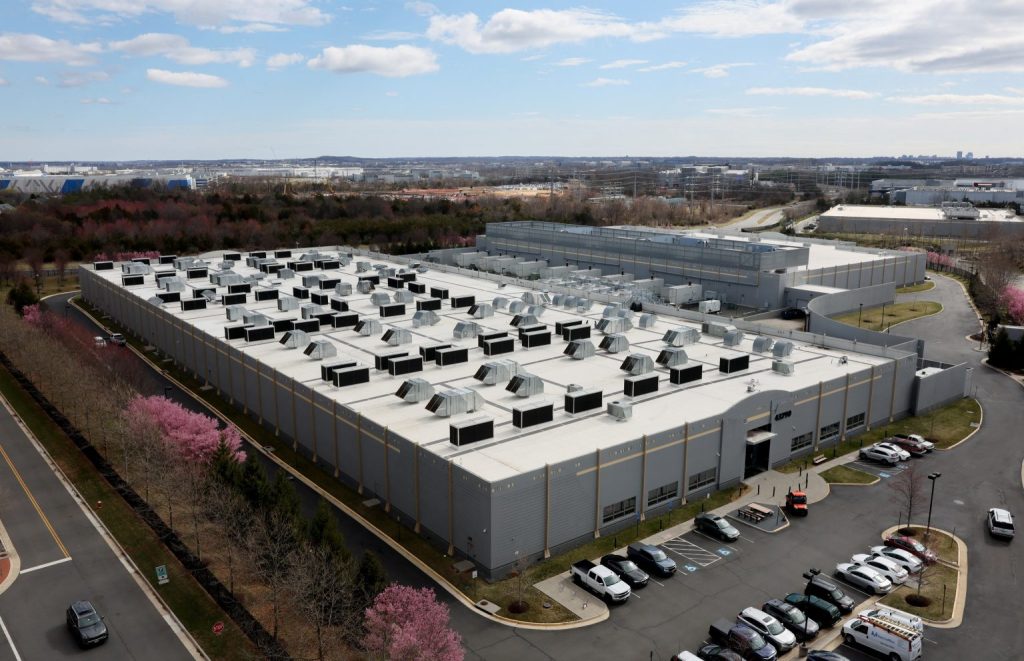
Africa’s growing interest in artificial intelligence is creating a new conversation about an issue that has long constrained the continent’s digital ambitions: energy. The proposed $1.5 billion artificial intelligence project by AMACO in Kenya highlights how closely the future of AI infrastructure will be tied to reliable, affordable and sustainable power.
AI requires enormous computing capacity. Data centres running advanced AI systems consume significantly more electricity than traditional digital infrastructure, while also requiring stable power supplies and cooling systems that can operate continuously. For African countries seeking to attract major AI investments, building data centres without solving the energy challenge could create serious bottlenecks.
Kenya is well positioned to demonstrate what is possible. The country already has one of Africa’s strongest renewable-energy profiles, with geothermal power playing an important role alongside wind, hydro and solar generation. This gives Kenya an opportunity to connect digital infrastructure with relatively clean electricity while reducing dependence on expensive fossil-fuel generation.
The AMACO project therefore offers lessons beyond Kenya. If a large AI investment moves forward, its success will depend not only on the availability of capital and computing technology but also on the strength of the electricity ecosystem supporting it. That means transmission networks, generation capacity, backup systems, storage and efficient cooling infrastructure must all develop alongside the data-centre industry.
For other African countries, the lesson is particularly important. Governments often focus on attracting technology companies through tax incentives, special economic zones and digital policies. Those measures matter, but they cannot compensate for unreliable electricity. A company operating sophisticated AI infrastructure cannot afford frequent outages or unpredictable energy costs.
Africa also has an opportunity to approach the problem differently from more established technology markets. Rather than simply expanding fossil-fuel generation to meet rising data-centre demand, countries can design new digital infrastructure around renewable energy from the beginning. Solar, wind, geothermal and hydro resources can potentially provide the foundation for a new generation of AI facilities.
However, renewable energy alone is not enough. Solar and wind production can fluctuate, while AI workloads may run around the clock. Investments in battery storage, grid upgrades and diverse generation sources will therefore become increasingly important. Efficient data-centre design and advanced cooling technologies can also reduce the amount of electricity required to run AI systems.
The project also raises questions about who should benefit from Africa’s AI infrastructure boom. Large technology facilities can create jobs, attract investment and strengthen digital ecosystems, but governments need to ensure that local businesses, universities and startups gain access to the infrastructure and skills being developed.
Ultimately, AMACO’s proposed $1.5 billion Kenya AI project demonstrates that Africa’s AI race is also an energy race. The countries that build reliable, affordable and sustainable power systems will be better positioned to host the data centres, startups and digital industries that define the next technological era. For Africa, investing in energy may prove just as important as investing in artificial intelligence itself.
Leave a Reply