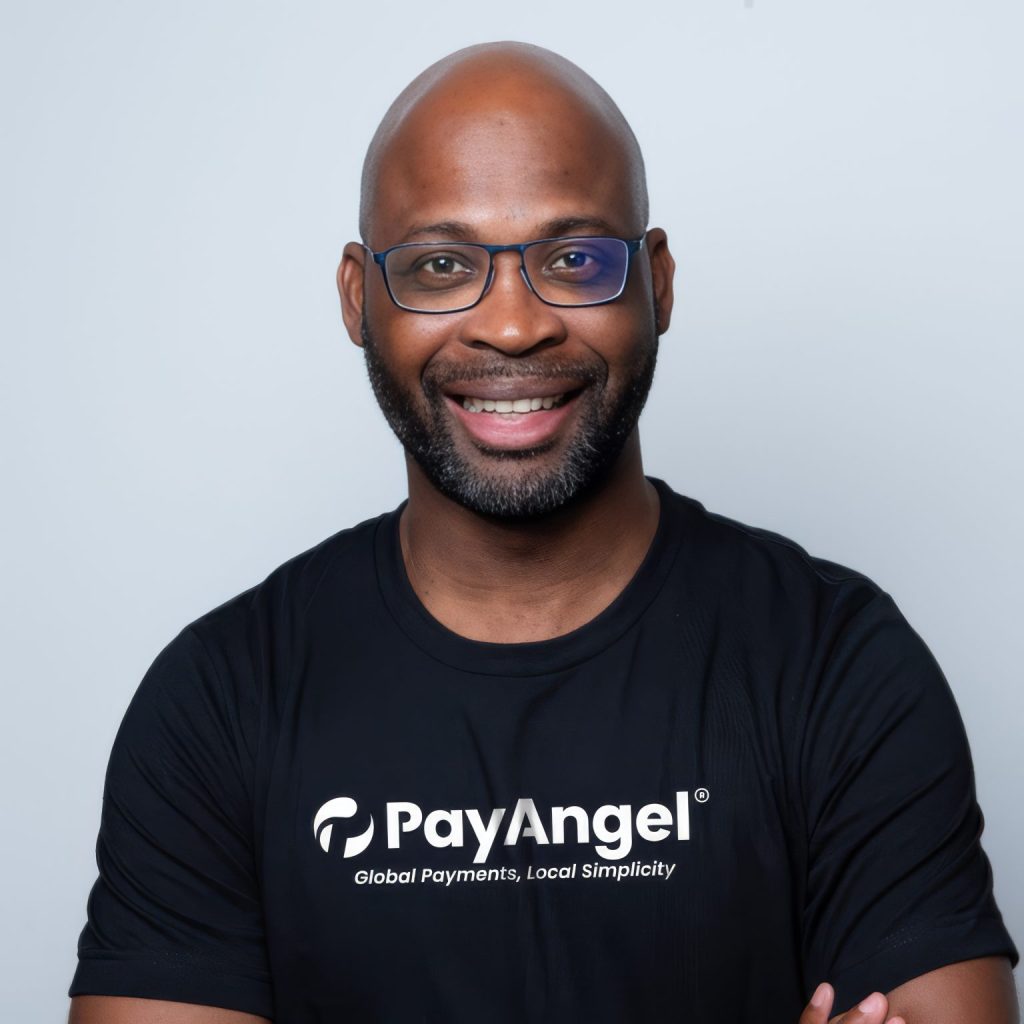
Sometimes, a business idea begins not with a carefully planned pitch deck, but with a problem that becomes impossible to ignore. For Nigerian entrepreneur Sunday “Paul” Adah, the challenge of moving money across borders while studying in the United States became the inspiration for Pay4Me, a fintech platform built to simplify international payments.
Adah’s experience began with the difficulty of paying his tuition from Nigeria. While studying at BYU-Idaho, he needed to make an international tuition payment but faced problems getting the required funds through traditional banking channels. The experience showed him how easily payment delays could threaten an international student’s education.
The problem was larger than his own situation. International students from countries such as Nigeria regularly face foreign-exchange shortages, expensive transfers, lengthy bank processes and complicated payment requirements. In some cases, delays can result in missed deadlines or students being unable to continue their studies.
Adah initially tried to solve the problem informally. He created a WhatsApp community where students and immigrants could help one another with currency swaps. As the community grew, it became clear that the demand went beyond a simple peer-to-peer network. A structured financial product was needed. That led to the development of Pay4Me.
Launched in 2020, Pay4Me was designed to allow international students to pay tuition, application fees, visa-related charges, WES and SEVIS fees, and other expenses from their home countries. The company positioned itself around speed and convenience, helping users avoid some of the delays associated with traditional international transfers.
The business has since expanded beyond tuition payments. Pay4Me has evolved into a broader cross-border financial platform, serving international students and immigrants with payments and money-movement services. It has also rebranded as Radius, reflecting its ambition to become a wider financial platform for people moving between countries. The company says its platform is now used by more than 100,000 international students.
The journey illustrates how personal pain points can reveal much larger market opportunities. What began as one student struggling to move tuition money became a company addressing a widespread problem across emerging markets.
Cross-border payments remain complicated because currencies, banking systems and regulations differ from one country to another. For international students, these challenges are particularly urgent because education payments often come with strict deadlines.
Pay4Me’s story therefore reflects a broader trend in African fintech: founders are increasingly building financial infrastructure around the realities of migration, education and global mobility.
A difficult tuition-payment experience ultimately became the starting point for a platform designed to make international money movement faster and simpler. The lesson is straightforward: sometimes, the most valuable fintech ideas begin with solving a problem the founder personally understands.
Leave a Reply