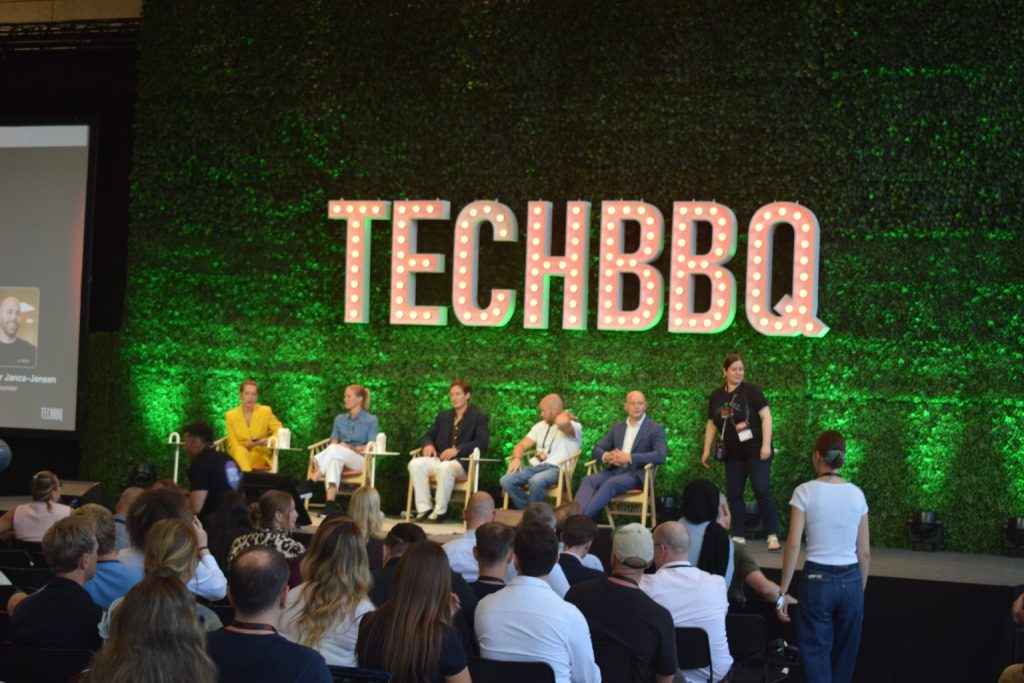
Copenhagen’s technology ecosystem offers an important lesson for Africa: the next generation of valuable startups may not come only from fintech, e-commerce or software. At TechBBQ 2026, held in Copenhagen on August 26 and 27, more than 10,000 startups and investors encountered companies working on quantum computing, biotechnology, medical diagnostics, robotics, security, food technology and other deep-tech fields.
For African founders and investors, the contrast is significant. Africa has produced globally recognised companies in payments, lending, logistics and digital commerce, but venture capital remains concentrated around business models that can scale quickly. Copenhagen suggests that investors should also be looking at businesses tackling harder, more fundamental problems.
One major lesson is to look beyond apps. Technologies in healthcare, agriculture, energy, manufacturing and climate solutions may take years to develop and require substantial capital. They may also face regulatory, scientific and infrastructure challenges. Yet these difficulties can create strong barriers to entry and potentially defensible businesses.
This requires a different approach to funding. A biotechnology company cannot necessarily follow the same financing path as a payments startup. Deep-tech ventures may need grants, university partnerships, government contracts, corporate investment and patient venture capital before they generate significant revenue. Copenhagen’s ecosystem demonstrates the importance of bringing researchers, investors, universities, policymakers and companies into the same conversation.
Africa has similar opportunities. Some of the continent’s biggest challenges are concentrated in sectors that technology investors have historically considered difficult: healthcare, agriculture, energy, transportation and manufacturing. The challenge is not a lack of problems to solve, but creating financing structures that allow founders enough time and resources to solve them.
Another lesson is the value of diverse capital. When investors repeatedly fund the same categories of companies, founders naturally gravitate toward those models. Africa’s strong fintech ecosystem demonstrates the benefits of concentrated expertise, but it can also limit experimentation. Copenhagen’s broader startup landscape shows what becomes possible when capital is available for many different kinds of technological ambition.
There is also an opportunity for stronger Africa-Europe collaboration. The Nordic-Africa Startup Summit at TechBBQ is seeking to connect founders, investors, universities, policymakers and companies across both regions, creating an innovation corridor focused on areas including health, agriculture, climate, AI and deep tech.
For African founders, the message is clear: difficult problems should not automatically be dismissed as difficult businesses. The very complexity of building solutions in energy, healthcare, agriculture or manufacturing can become a competitive advantage.
For investors, Copenhagen offers a broader challenge. Instead of asking only how quickly a startup can grow, they should also ask how difficult its technology is to replicate, how important the problem is and what kind of long-term value it can create.
Africa’s next major technology companies may therefore come from places investors have historically overlooked. The opportunity is not simply to build more apps, but to build technologies capable of solving some of the continent’s hardest problems.
Leave a Reply