A viral social media post can move millions of people within hours, but for companies facing damaging claims online, getting legal redress in Nigeria may be more complicated than simply proving that a statement was false.
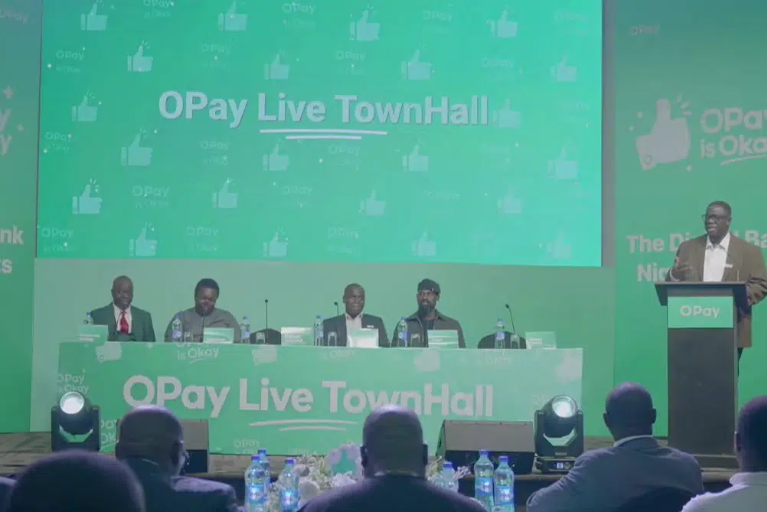
That tension is now playing out between OPay and an X user whose post claimed the fintech would go on an “indefinite break” and urged customers to withdraw their funds. The post, published on August 30, quickly gained more than two million impressions before it was deleted and circulated widely across WhatsApp. OPay said the claim was false and misleading and warned that it was considering legal action.
OPay’s chief legal counsel, Akinfolabi Rokosu, said the company had taken the matter beyond social media and notified the Central Bank of Nigeria, Department of State Services and Nigeria Police Force. The fintech argues that the misinformation could cause financial loss and undermine public confidence in digital payments.
The legal challenge, however, highlights an important distinction between how Nigerian law treats companies and individuals.
A company can generally pursue defamation claims where false statements damage its commercial reputation. Nigerian defamation law recognises harm to a person’s reputation in a way that can affect their profession or trade, while corporations can also bring actions over statements calculated to injure their business reputation.
But companies do not enjoy every legal avenue available to individuals.
This became particularly relevant after a Lagos High Court judgment involving human-rights lawyer Femi Falana and Meta. Falana secured $25,000 in damages over content that allegedly portrayed him as seriously ill. The case was pursued through fundamental-rights and data-protection arguments rather than a conventional defamation claim.
Under Nigeria’s Data Protection Act, however, a “data subject” is an identifiable living natural person. This means individuals can potentially use data-protection rights to seek remedies, while companies generally cannot bring equivalent claims in their own right.
For OPay, that distinction matters. The fintech may pursue traditional defamation, injunctions or other available remedies, but it cannot simply rely on the same data-protection route available to an individual whose personal reputation has been attacked.
The incident also demonstrates how quickly misinformation can become a business risk. A single post alleging that a major financial platform is shutting down can trigger panic, withdrawals and reputational damage before a company has time to respond.
OPay’s case therefore raises a broader question for Nigeria’s digital economy: as social media becomes increasingly influential in financial decisions, should companies have stronger and clearer mechanisms for obtaining rapid legal redress against demonstrably false claims?
For now, the law leaves companies with remedies—but not necessarily the same tools available to individuals.
Leave a Reply