Uber’s proposed $14.8 billion acquisition of Delivery Hero has moved closer to completion after the German food-delivery company’s management and supervisory boards backed the takeover and recommended that shareholders accept the offer.
The development gives Uber an important boost as it attempts to build one of the world’s largest food-delivery businesses. The deal, announced in July, would see Uber offer €41.50 in cash for each Delivery Hero share, valuing the company at about $14.8 billion. Uber had already built a significant stake in Delivery Hero before launching the takeover bid.
For Africa, however, the most interesting part of the transaction is what happens to Glovo.
Delivery Hero owns Glovo, one of the continent’s major food and quick-commerce platforms. Under the proposed transaction, Uber would acquire Glovo operations in several African markets, including Nigeria, Kenya, Uganda, Morocco, Côte d’Ivoire and Tunisia. This would give Uber a significant delivery footprint across markets where it has historically focused more heavily on ride-hailing.
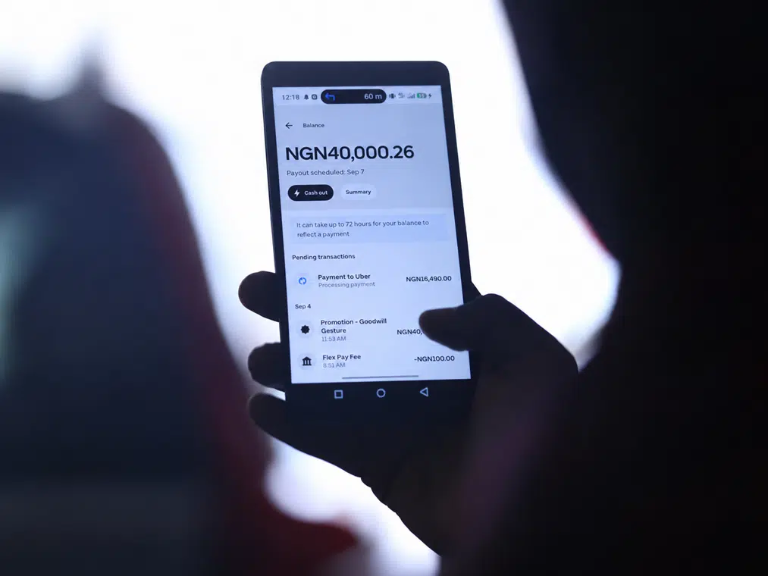
The development is particularly notable in Nigeria. Uber ended its ride-hailing operations in Nigeria on September 2 after 12 years in the country. Yet, if the Delivery Hero acquisition is completed, the company could maintain a major presence in the Nigerian consumer market through Glovo’s delivery business.
That creates an unusual strategic shift. Uber would be leaving Nigeria’s streets while potentially expanding its position in the country’s food-delivery and quick-commerce sector.
Globally, the acquisition would significantly expand Uber’s reach. The combined business would operate across 99 countries and had combined gross bookings of about $236 billion in 2025. Uber says bringing the platforms together could give customers, merchants and couriers access to a broader ecosystem of mobility and delivery services.
The transaction is also part of a wider consolidation taking place in the global food-delivery industry. Companies are increasingly combining platforms and markets as competition intensifies and businesses search for scale. Uber’s acquisition would strengthen its position against rivals such as DoorDash and other regional delivery companies.
Still, the deal is not complete. Uber needs to satisfy shareholder and regulatory requirements, while Delivery Hero has agreed to sell operations in 14 markets to SSW Partners for about $1.6 billion. The divestments are intended to address competition concerns in markets where Uber and Delivery Hero already overlap.
Uber expects the transaction to close in the second half of 2027. Until then, regulators, shareholders and customers will be watching closely.
For Africa, the outcome could be especially significant. If completed, Uber will gain access to Glovo’s established delivery networks, merchants and couriers across several countries. The deal could therefore mark a new chapter for Uber on the continent—one where food, groceries and local commerce become more important than moving passengers from one destination to another.
Leave a Reply