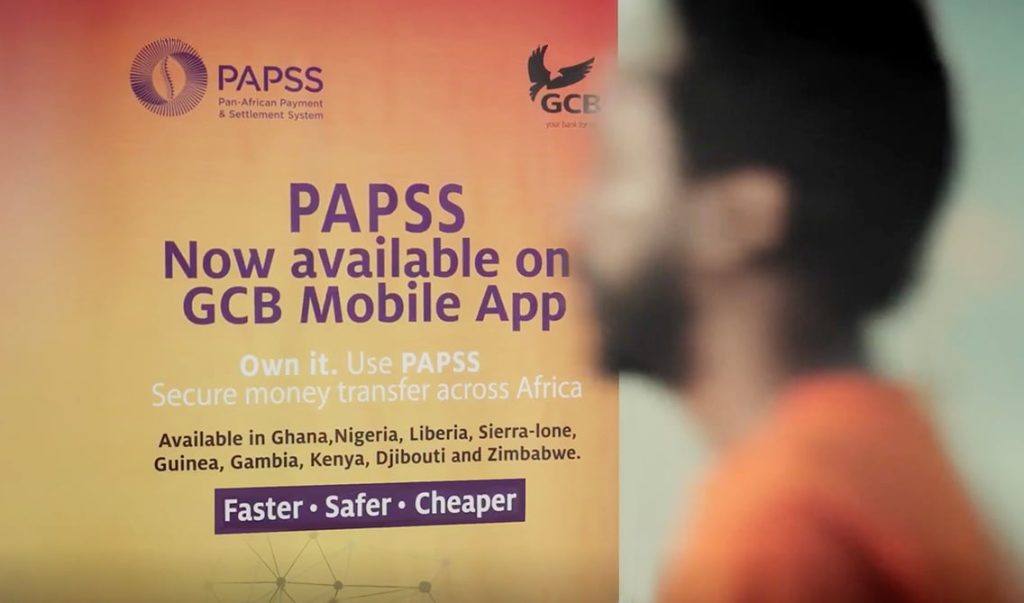
Africa’s efforts to strengthen trade and economic integration increasingly depend on how easily money can move across its borders. For decades, businesses and individuals have faced high costs, lengthy processing times and complicated foreign-exchange requirements when making cross-border payments. The Pan-African Payment and Settlement System (PAPSS) was created to address these challenges by making it easier to send and receive payments across African countries using local currencies.
PAPSS has the potential to reshape the continent’s payment landscape, but its success will depend largely on whether it can overcome regulatory and operational barriers across Africa.
The system allows participating financial institutions to process cross-border transactions while reducing the need to route payments through international currencies such as the US dollar. In principle, this can lower transaction costs, improve settlement speed and make it easier for African businesses to trade with one another.
However, Africa’s financial system is highly fragmented. Each country has its own central bank, currency regulations, licensing requirements, foreign-exchange policies and rules governing financial institutions. What is permitted in one market may require additional approval or face restrictions in another.
Foreign-exchange management is one of the biggest challenges. Many African economies closely regulate access to foreign currency because of concerns about reserves and exchange-rate stability. For PAPSS to operate efficiently, participating countries need mechanisms that allow local currencies to be converted and settled reliably without creating additional pressure on their financial systems.
Regulatory differences around know-your-customer requirements, anti-money-laundering rules and transaction monitoring also create complexity. Banks operating across multiple markets must comply with different requirements, potentially slowing down transactions and increasing compliance costs.
Another challenge is trust. Central banks and financial institutions must be confident that the system is secure, reliable and capable of handling large transaction volumes. Businesses also need predictable exchange rates, transparent fees and assurance that payments will reach their destinations without unnecessary delays.
Despite these hurdles, PAPSS has an important advantage: it aligns with Africa’s broader push for economic integration under the African Continental Free Trade Area. As intra-African trade expands, demand for faster and cheaper payment infrastructure is likely to increase.
The solution will require stronger cooperation among central banks, regulators and commercial banks. Harmonising payment rules, improving interoperability and establishing clearer frameworks for foreign-exchange settlement could help PAPSS scale more effectively.
Technology alone cannot solve Africa’s cross-border payment problems. Regulatory coordination is equally important. PAPSS can provide the infrastructure, but governments and financial institutions must create an environment in which that infrastructure can operate smoothly.
If African countries can gradually reduce regulatory fragmentation while maintaining financial stability and security, PAPSS could become more than a payment platform. It could become a critical piece of Africa’s economic integration, helping local businesses trade across borders more easily and keeping more of the continent’s financial activity within Africa.
Leave a Reply