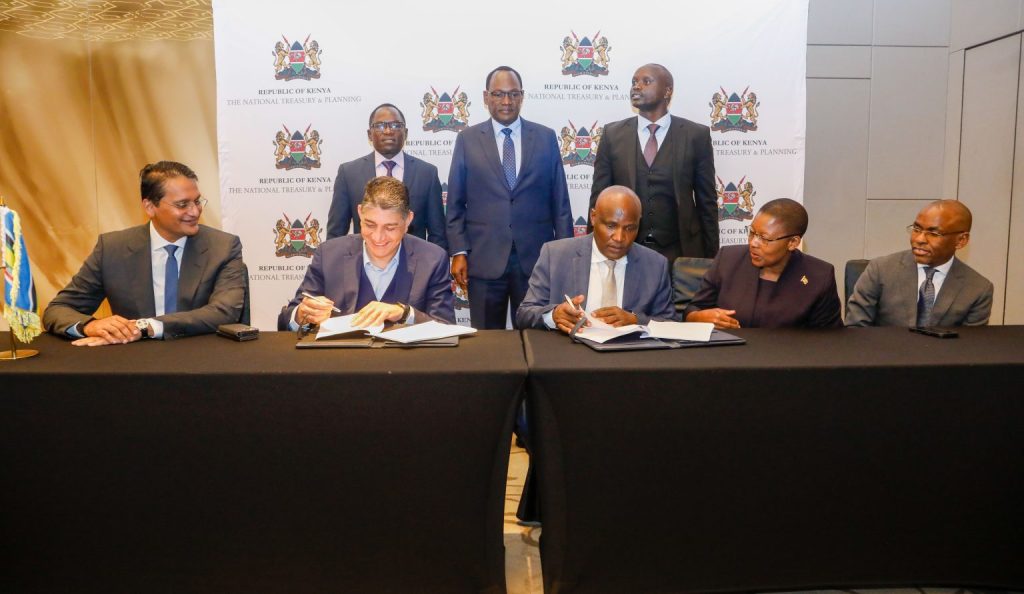
Kenya’s High Court has overturned Vodacom Group’s acquisition of a 15% government stake in Safaricom, putting one of the country’s largest recent corporate transactions back into legal uncertainty.
A three-judge bench ruled on September 15, 2026, that the government’s sale of the stake to Vodacom was unconstitutional and invalid. The court ordered the shares to be restored to the Kenyan government. The stake was sold for KSh204.3 billion, or roughly $1.58 billion.
The transaction formed part of a larger deal that increased Vodacom’s effective ownership of Safaricom to 55%. In June, Vodacom completed the purchase of the government’s 15% stake alongside an additional 5% effective interest, allowing it to take control of Kenya’s largest telecommunications company.
The High Court’s concerns focused largely on how the government handled the sale. The judges found that important information about the transaction was not adequately disclosed to the public, Cabinet and Parliament. The court also concluded that the process did not meet constitutional requirements for meaningful public participation.
The judges further characterized the transaction as more than a simple sale of government shares, saying it effectively gave Vodacom control of Safaricom. The ruling also questioned the direct sale to Vodacom rather than using a competitive process to identify a potential strategic investor.
The deal had already faced legal challenges before its completion. In June, Kenya’s Court of Appeal lifted orders that had temporarily blocked the transaction, allowing the sale to proceed. Vodacom subsequently completed the acquisition on June 30.
The latest ruling does not necessarily end the matter. Kenya’s Treasury has announced plans to appeal, while Vodacom has said it will challenge the decision and seek a stay as the legal process continues.
The dispute is significant because Safaricom is not just a telecommunications company. It operates M-Pesa, one of Africa’s largest mobile-money platforms, and provides infrastructure used by government services. The court proceedings therefore also raised questions around public assets, data, national security and control of critical infrastructure.
For now, the ruling creates uncertainty over Vodacom’s majority position and the government’s earlier proceeds from the sale. The final outcome will depend on the appeals process and any further orders from Kenya’s courts.
The Safaricom case highlights the legal and constitutional complexities that can accompany the transfer of significant public assets, particularly when the transaction changes control of strategically important infrastructure.
Leave a Reply