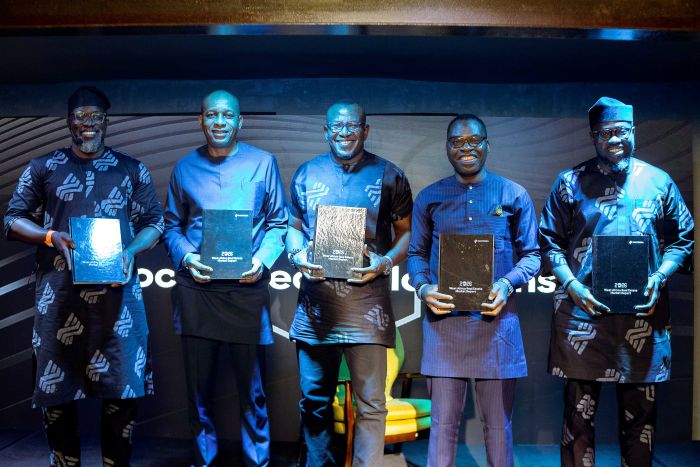
Panterra Real Estate Group brought together leaders from Nigeria’s real estate, construction, finance and creative sectors at “Experiencing Panterra: An Evening of Creativity and Insights,” using the event to connect market intelligence with technology and creative expression. The gathering, held in Lagos, also marked the unveiling of new research, a creative publication and a digital real estate investment platform.
The event reflected Panterra’s broader ambition to build an integrated, technology-enabled real estate ecosystem spanning principal investing, asset management, research and analytics, digital real estate investment and building materials distribution. Its leadership used the evening to highlight how better data and technology can address some of the structural challenges facing the West African property market.
One of the major highlights was the release of the 2026 West Africa Real Estate Market Report and the 2026 Nigeria Construction Market Report. The reports are intended to provide investors and industry participants with deeper information on market conditions at a time when currency movements, financing costs, construction expenses and changing sources of capital are reshaping real estate decisions.
Panterra Chief Investment Officer Ayo Ibaru also presented research underpinning the Real Estate Investment and Attractive Index, before joining a discussion on the economic trends influencing property performance across West Africa. The analysis highlighted currency stability, financing depth, security and growing partnerships with investors from the Global South as important factors shaping the region’s real estate outlook.
The construction sector received attention through a fireside conversation with Emmanuel Ilaboya of HBM Ready Mix, representing HBM PLC CEO Lolu Akinyemi. Discussions covered material supply, cement costs and the pressures facing construction companies. HBM also pointed to Nigeria’s relatively low cement consumption as evidence of significant long-term potential in the construction market.
Beyond market research, Panterra used the event to introduce Foundations 2026, a creative project exploring the built environment through writing, photography and art. The publication, themed “Urban Dilemmas,” offered a different way of examining the challenges and possibilities shaping African cities. Featured contributors were recognised during the launch.
Another major development was the introduction of Panterrium,
Panterra’s digital real estate ownership and investment platform. Designed to make property investment more accessible, the platform is preparing for regulatory sandboxing and seeks to use technology to streamline how individuals participate in real estate ownership and investment.
The platform’s emergence reflects a broader shift toward digitalising real estate investment. Rather than limiting participation to investors capable of purchasing entire properties, digital platforms can create new structures for accessing fractional ownership and tracking investments.
For Panterra, “Experiencing Panterra” therefore served as more than a corporate gathering. It brought together research, construction intelligence, creative storytelling and financial technology around a single question: how can better information and innovation make West Africa’s real estate market more transparent, accessible and investable?
The event demonstrates Panterra’s attempt to position data and technology alongside capital and physical development as key components of the region’s next phase of real estate growth.
Leave a Reply