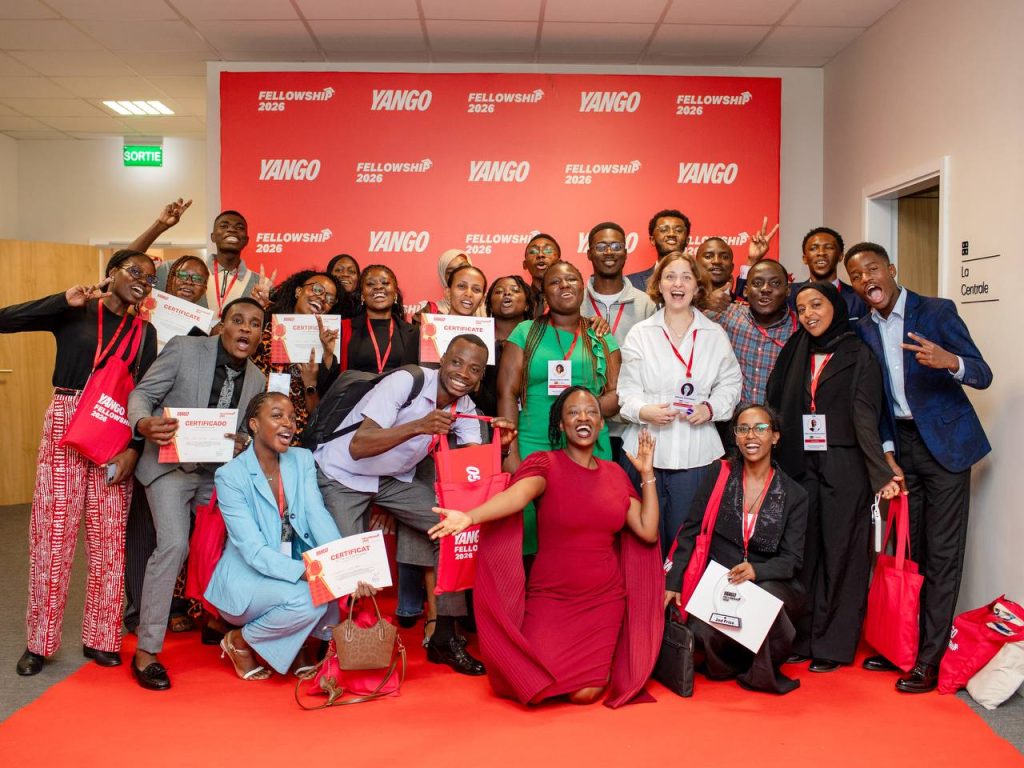
Africa’s technology sector is increasingly moving beyond the idea that innovation must be imported. Across the continent, startups and technology companies are investing in local engineers, product designers, entrepreneurs and problem-solvers who understand the realities of African markets from the inside. Yango’s 2026 Pan-African fellowship is part of that broader shift.
The fellowship is designed to give young African talent an opportunity to develop practical solutions around challenges affecting communities and businesses across the continent. Rather than treating Africa simply as a market for technology developed elsewhere, the programme places local talent closer to the centre of the innovation process.
That distinction matters. African markets have unique infrastructure, consumer behaviour and regulatory environments. Solutions that work effectively in Europe, Asia or North America cannot always be transferred directly to cities such as Lagos, Nairobi, Accra or Abidjan. Local developers and entrepreneurs are often better positioned to identify these differences and build products around them.
Yango’s fellowship therefore reflects a model in which talent development and product innovation are closely connected. Participants are exposed to technology, business development and problem-solving while working on challenges that have practical relevance to African users.
For young professionals, programmes of this kind can provide something that conventional classroom education cannot always offer: experience working on real-world technology problems. Participants can develop skills in areas such as product development, data, artificial intelligence, mobility, digital services and entrepreneurship while gaining exposure to how technology businesses operate at scale.
The initiative also comes as demand for African technology talent continues to grow. Companies across the continent increasingly need professionals who can combine technical expertise with an understanding of local markets. Building that talent pool internally can help businesses reduce dependence on imported expertise while creating pathways for young Africans to participate in the continent’s digital economy.
There is also an ecosystem effect. Fellows who gain experience through programmes like this can go on to join startups, launch their own companies or contribute to technology teams across Africa. Over time, the value of a fellowship can therefore extend beyond the participants themselves.
For Yango, the programme also provides an opportunity to deepen its relationship with African technology ecosystems. The company operates across several markets on the continent, giving it exposure to different consumer needs and operational challenges. Connecting that experience with local young talent could help generate ideas that are better adapted to those markets.
The bigger story is Africa’s gradual transition from technology consumption to technology creation. The continent has millions of young people entering the workforce, but the challenge is turning that demographic advantage into productive economic opportunities.
Fellowship programmes cannot solve the skills gap alone. Universities, governments, startups and private companies will all have roles to play in developing technical and entrepreneurial capabilities. But initiatives that connect young Africans with practical problems can help bridge the gap between learning and employment.
Yango’s 2026 Pan-African fellowship ultimately represents more than a talent programme. It reflects an emerging approach to African innovation: put people who understand local problems at the centre of building the solutions.
Leave a Reply