Africa’s artificial intelligence ambitions are increasingly colliding with a basic question: who will provide the computing infrastructure needed to build and scale AI on the continent?
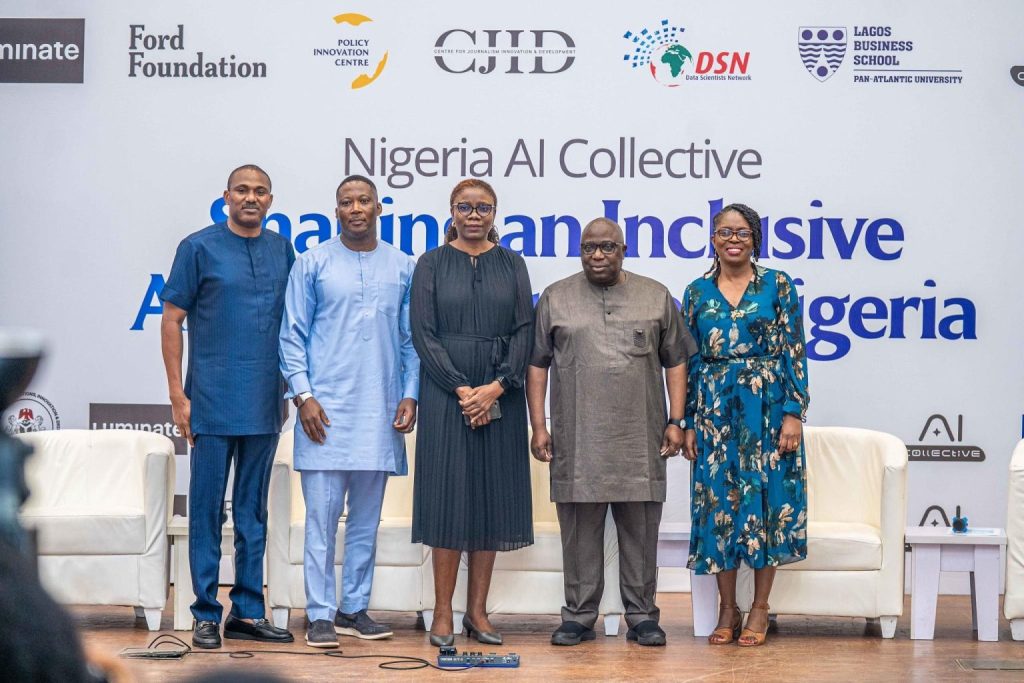
That question will take centre stage at BUILD 2026, Africa’s Shared Compute and AI Infrastructure Conference, scheduled for October 21–22 in Abuja, Nigeria. The event is being hosted by the Nigeria AI Collective under the leadership of the Federal Ministry of Communications, Innovation and Digital Economy.
Rather than focusing primarily on AI applications and models, BUILD 2026 is designed around the infrastructure underneath them. Organisers say the conference will bring together policymakers, researchers, technology companies, investors and AI builders to examine how Africa can build, share and govern the compute capacity required for its AI future.
The focus reflects a growing infrastructure challenge. AI development requires more than software engineers and datasets. It depends on reliable electricity, data centres, high-performance computing, connectivity, network bandwidth and financing. The BUILD organisers argue that gaps in these areas could constrain Africa’s ability to develop locally owned AI systems and participate competitively in the global AI economy.
The conference will explore the issue through six thematic tracks: infrastructure, economics, geopolitics, tech justice, governance and ethics, and innovation catalysis. The agenda is intended to connect technical infrastructure decisions with questions about investment, digital sovereignty, inclusion and the distribution of AI’s economic benefits.
Shared compute is particularly important for African startups, researchers and universities that may not have the resources to independently acquire expensive computing infrastructure. A regional approach could allow more organisations to access computing capacity while creating opportunities for collaboration between governments, private companies, universities and development institutions.
The economic dimension will also be central. BUILD 2026 is examining how investment in compute infrastructure could support productivity, industrial competitiveness and high-value digital employment. Organisers are also calling for clearer business models and policy incentives that could encourage private-sector investment in African AI infrastructure.
The conference will feature plenary sessions, ministerial dialogues, research presentations, policy discussions and innovation showcases. African startups, developers, research teams and emerging innovators are also being invited to showcase AI products that have moved beyond the idea stage.
For the Nigeria AI Collective, the broader objective is to move the continent’s AI conversation from adoption toward infrastructure ownership and capacity. Its approach connects AI development with Nigeria’s National Artificial Intelligence Strategy and broader efforts around responsible and inclusive AI.
BUILD 2026 therefore arrives at a critical stage in Africa’s AI development. As governments and businesses increasingly explore AI, access to compute may become just as important as access to talent and data.
The conference’s central question is consequently straightforward but consequential: how can Africa build the infrastructure required to participate in, rather than simply consume, the next phase of artificial intelligence?
Leave a Reply