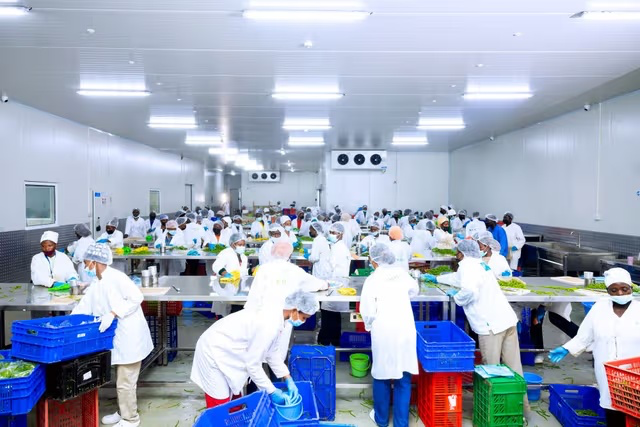
Cold Solutions Rwanda is set to secure up to $18 million to expand its cold-chain infrastructure in Kigali, strengthening the systems used to store and distribute temperature-sensitive food and other products across Rwanda.
The financing comes at a time when cold-chain infrastructure is becoming increasingly important to Africa’s food systems. For farmers, food processors, retailers and pharmaceutical companies, reliable temperature-controlled storage can determine whether products reach consumers safely or are lost before they reach the market.
In Rwanda, where the agricultural sector supports a large share of livelihoods, improving storage infrastructure could help address one of the persistent challenges facing food supply chains: post-harvest losses.
Fresh produce, dairy, meat, fish and other perishable products require carefully controlled temperatures throughout their journey from producers to consumers. Without adequate cold storage and transportation, products can deteriorate quickly, reducing farmers’ earnings and limiting the availability of nutritious food.
Cold Solutions Rwanda’s expansion in Kigali is therefore more than a real-estate or logistics project. It is part of a broader effort to build the infrastructure needed for a more efficient food economy.
The company’s cold-storage facilities are designed to provide businesses with temperature-controlled space where goods can be stored before being transported to their final destinations. Expanding this capacity could give food businesses greater flexibility in managing inventory and connecting supply with demand.
The planned investment also highlights the growing role of private capital in addressing infrastructure gaps across Africa.
Cold-chain projects require substantial upfront investment because they depend on specialised buildings, refrigeration systems, reliable electricity and logistics networks. Their operations must also maintain strict temperature conditions, making energy efficiency and operational reliability critical.
For Kigali, additional cold-storage capacity could support the growth of supermarkets, restaurants, food processors, exporters and other businesses that depend on dependable access to refrigerated facilities.
The benefits could extend beyond commercial operators.
A stronger cold chain can help reduce food waste by extending the usable life of perishable products. That can improve food availability while reducing the economic and environmental costs associated with produce that is grown but never consumed.
There is also a potential health dimension. Temperature-controlled logistics are essential for certain medicines, vaccines and other healthcare products. As Rwanda’s healthcare and pharmaceutical sectors develop, demand for reliable cold-chain infrastructure could increase.
However, expanding cold-chain capacity also presents challenges. Refrigeration is energy-intensive, while power reliability and operating costs can significantly affect the economics of cold-storage businesses. Efficient equipment, renewable-energy integration and effective logistics will therefore be important to maintaining long-term viability.
The planned $18 million expansion reflects a wider trend across Africa: infrastructure investment is increasingly moving beyond roads, ports and telecommunications to the less visible systems that keep economies functioning.
For Rwanda, strengthening the cold chain could help farmers access better markets, businesses reduce losses and consumers benefit from more reliable food supplies.
Cold Solutions Rwanda’s expansion ultimately demonstrates that solving Africa’s food-security challenges will require not only producing more food, but also investing in the infrastructure that ensures what is produced can be stored, transported and sold efficiently.
Leave a Reply