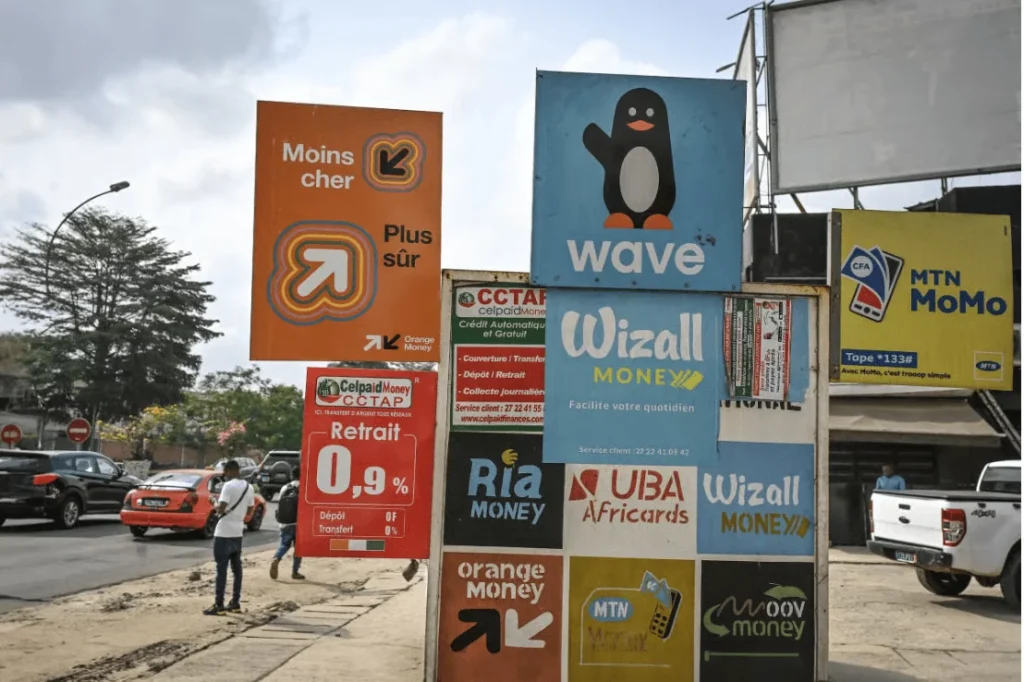
A new payment rule from the Central Bank of West African States (BCEAO) is set to reshape how people move money across the eight countries of the West African Economic and Monetary Union (WAEMU). From November 2, 2026, interoperable electronic-money transfers will have to pass through the central bank’s Instant Payment Interoperability Platform, known as PI-SPI.
The headline change is simple: small transfers are becoming free. Domestic transfers between individuals of up to 8,000 CFA francs per day, per user and participating institution, will carry no sending fee. Transfers above that threshold can attract fees of between 0% and 0.8%, while receiving money will remain free regardless of the amount. BCEAO says the free threshold covers about 75% of electronic-money transactions in the union.
On the surface, the reform should make digital payments cheaper and encourage more people to use electronic money. But there is another side to the equation. If financial institutions lose revenue from transfer charges, they may look elsewhere to recover those costs—and cash withdrawals could become one of the most obvious places.
That matters because WAEMU remains heavily dependent on cash. BCEAO data shows that deposits and cash withdrawals accounted for 56.8% of the value of electronic-money transactions in 2024. The region’s financial-inclusion strategy has also acknowledged that withdrawals remain dominant even as digital-payment infrastructure expands.
For mobile-money operators and fintechs, the challenge is therefore not simply technological. Their business models have traditionally depended on transaction fees and extensive agent networks. Making a large share of transfers free could reduce revenue while leaving providers responsible for maintaining the infrastructure that allows customers to deposit and withdraw cash.
Operators could respond by adjusting withdrawal charges, reducing agent commissions or introducing stronger pricing for other services. In that scenario, transferring money digitally becomes cheaper, but converting that digital balance into physical cash becomes more expensive.
The impact could be particularly significant for people who rely on cash for everyday purchases. A customer may receive money for free, send smaller amounts without paying and still face a charge when withdrawing the funds from an agent. For low-income and rural users, that withdrawal cost could determine whether digital money actually becomes cheaper to use.
The reform could also accelerate a broader shift away from cash. If customers discover that leaving money in their wallets and paying merchants digitally is cheaper than withdrawing it, operators and merchants could benefit from higher digital-payment volumes.
BCEAO is effectively trying to change the economics of digital finance: make basic transfers more accessible while encouraging the ecosystem to earn revenue from broader financial services rather than simply moving money.
The regional cross-border effect will come later. From June 1, 2027, transfers between WAEMU countries will be subject to the same pricing conditions as domestic transfers.
The real test will be whether the reform reduces the overall cost of moving money—or simply shifts the bill. Free transfers may be good for digital inclusion, but if cash withdrawals become more expensive, the region’s cheapest way to move money could increasingly depend on whether users are willing to leave their money digital.
Leave a Reply