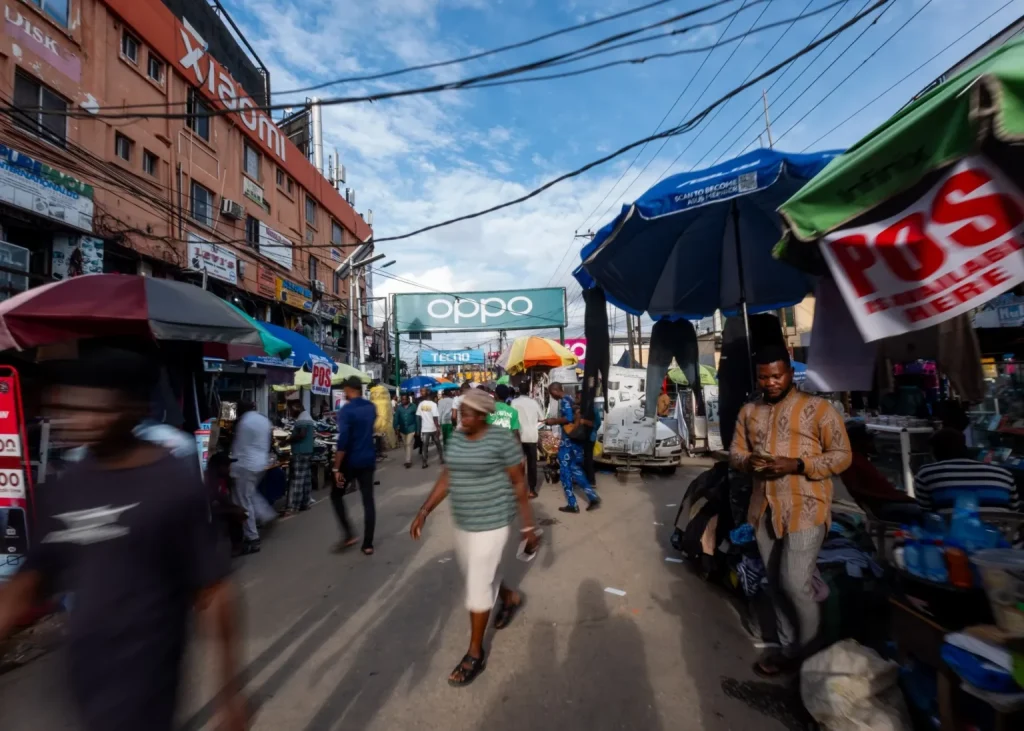
Nearly half of Nigeria’s workers reportedly earn less than $150 a month, highlighting the financial pressures facing millions of people as the cost of living continues to challenge household budgets. The finding raises important questions about wage levels, job quality, purchasing power and the ability of workers to meet essential needs in Africa’s largest economy.
For many Nigerian households, income must cover food, transportation, housing, electricity, healthcare and education. When monthly earnings remain below $150, balancing these expenses can become increasingly difficult, particularly in urban centres where rent and transport costs consume a substantial share of household income.
The reported figures also draw attention to the gap between employment and financial security. Although having a job is often viewed as a pathway out of poverty, low wages and irregular earnings can leave workers struggling to afford basic necessities. This challenge affects people in formal employment as well as those working in the informal economy, where income may fluctuate depending on demand and available opportunities.
Nigeria’s large informal sector makes the situation particularly complex. Traders, artisans, domestic workers, small business operators and other self-employed people may earn different amounts from month to month. Without predictable salaries, paid leave or reliable social protection, many remain financially vulnerable even when they work long hours.
Inflation and currency depreciation can further weaken purchasing power. When the prices of essential goods rise faster than earnings, workers effectively lose the ability to maintain their previous standard of living. The dollar-denominated income threshold also illustrates the pressure that exchange-rate movements can place on the value of naira earnings, although the precise impact depends on the exchange rate and the period covered by the report.
The implications extend beyond individual households. Low purchasing power can limit consumer spending, reduce the ability of families to save and make it harder for small businesses to expand. Workers who spend most of their earnings on necessities have little room to invest in education, acquire new skills or build financial reserves against emergencies.
Addressing the problem requires more than creating jobs. Policymakers and employers must also consider the quality of employment, wage growth, productivity and the affordability of essential services. Improved vocational training, support for small businesses, better access to finance and measures that encourage formal employment could help strengthen workers’ earning capacity over time.
Wage policies must also be considered alongside the financial realities of employers, particularly small businesses operating under high energy, transportation and borrowing costs. Sustainable improvements will depend on economic conditions that allow businesses to grow while enabling workers to earn more.
The reported income figures highlight a central challenge for Nigeria: ensuring that employment provides a realistic route to financial stability. Economic growth will have a greater impact on ordinary citizens when it translates into better-paying jobs, more reliable incomes and improved purchasing power.
The specific report, survey period and methodology behind the “almost half” estimate should be verified before publication. The figure is presented here as reported in the supplied topic, not as an independently verified statistic.
Leave a Reply