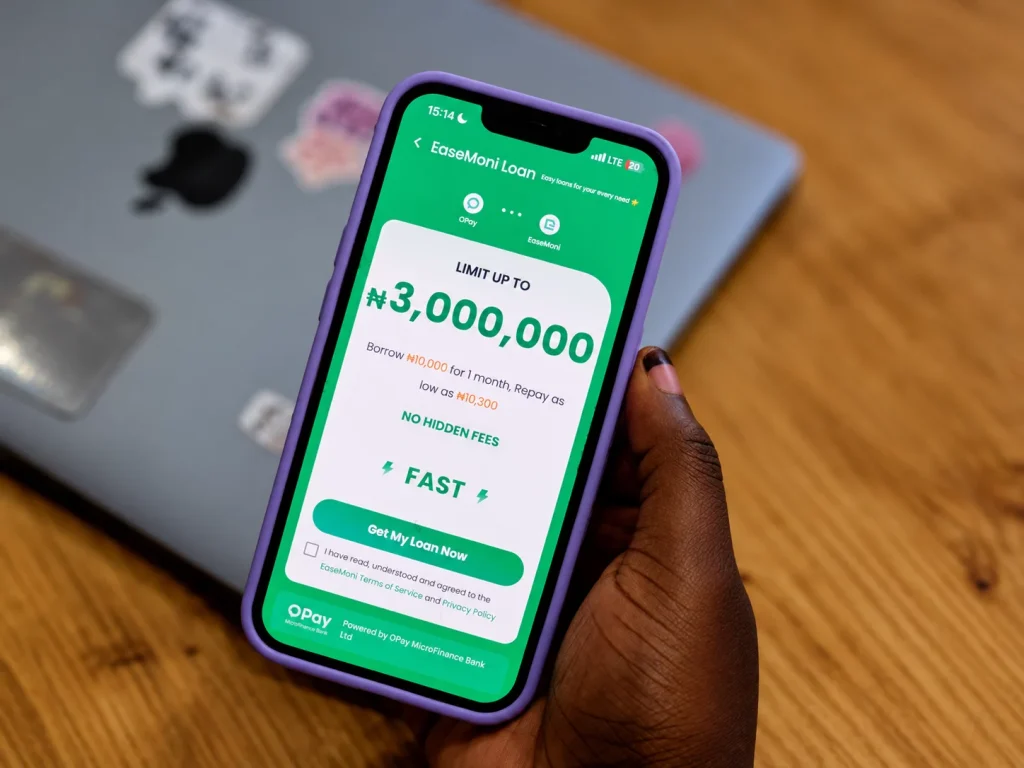
Nigeria’s fast-growing digital finance industry has made borrowing easier for millions of people, but it has also raised questions about loan affordability, transparency and consumer protection. OPay, one of the country’s prominent digital financial services platforms, sits within this broader debate as regulators and consumers pay closer attention to the risks associated with digital lending.
The reference to OPay’s $1.28 lending problem highlights a concern that deserves closer examination: how small-dollar loans, repayment obligations and lending practices affect Nigerian consumers. However, the specific meaning of the $1.28 figure requires verification before it can be treated as an established loss, debt amount, penalty or regulatory finding involving OPay.
Digital lending has become increasingly important in Nigeria, where individuals and small businesses often struggle to access affordable credit through traditional banks. Mobile financial platforms have helped reduce barriers by making financial services accessible through smartphones and digital accounts.
For borrowers facing emergencies, unexpected bills or temporary cash shortages, small loans can provide immediate relief. Yet the convenience of digital borrowing can also encourage people to take loans without fully considering repayment conditions, interest charges and penalties.
The central challenge is ensuring that fast access to credit does not come at the expense of responsible lending and informed financial decisions.
One of the major concerns surrounding digital lending in Nigeria is the ability of borrowers to understand the full cost of credit. Even relatively small loans can become difficult to repay when fees, interest and late-payment charges accumulate.
Transparent pricing is therefore essential. Borrowers should receive clear information about the amount they will receive, the total repayment obligation, the repayment deadline and the consequences of default before accepting a loan.
For platforms operating in Nigeria, effective customer support and accessible dispute-resolution channels are equally important. Customers who believe they have been charged incorrectly or treated unfairly should have a clear process for challenging transactions and obtaining explanations.
Regulatory oversight also plays a critical role. Nigerian authorities have increasingly focused on consumer protection, responsible lending and the conduct of digital credit providers. Compliance with applicable rules can help strengthen confidence in the sector while discouraging abusive collection practices.
OPay’s reputation depends not only on the convenience of its payments and financial services but also on how effectively it protects customers. Any substantiated lending controversy could affect public confidence, particularly among users who rely on digital platforms for everyday transactions.
The company’s broader challenge is to ensure that credit-related services, whether offered directly or through partners, operate with clear terms, appropriate risk assessments and fair customer treatment. It is also important to distinguish between OPay’s core payment services and any lending products or third-party arrangements associated with its ecosystem.
The $1.28 figure should be assessed against verified information about the underlying transaction or dispute rather than assumed to represent a confirmed corporate liability.
Nigeria’s digital lending market has significant potential to expand financial inclusion, but sustainable growth requires transparency, affordability and accountability. For OPay and other financial technology companies, protecting borrowers is essential to maintaining trust.
The broader lesson is that digital credit must do more than deliver money quickly. It must help consumers understand their obligations and access financial services without being exposed to avoidable financial harm.
Leave a Reply