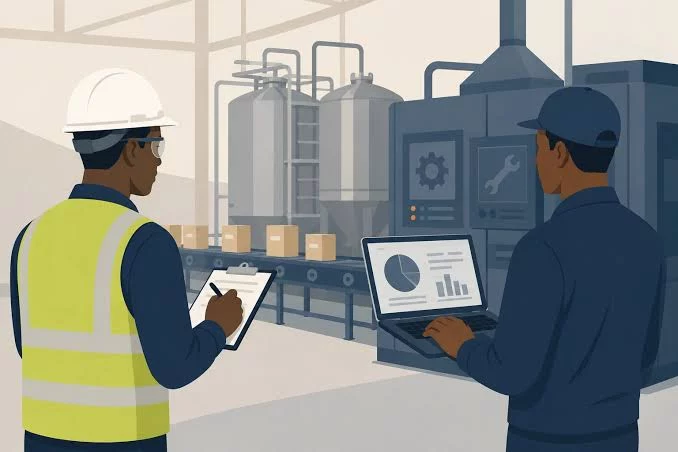
Manufacturing is entering a new phase as artificial intelligence (AI), robotics, connected sensors and data analytics transform how factories operate. Technology once reserved for advanced industrial facilities is increasingly becoming central to production, helping manufacturers improve efficiency, reduce waste and respond more quickly to changing market demands.
This shift, often described as Industry 4.0, involves connecting machines, workers and production systems so that factories can make decisions using real-time information. The next stage will depend on how effectively manufacturers combine these technologies with skilled workers and practical business strategies.
One of the most significant changes on the factory floor is the growing use of automation. Industrial robots can perform repetitive tasks such as welding, packaging, assembly and material handling with consistent precision. Collaborative robots, known as cobots, are also designed to work alongside human employees in suitable environments.
Artificial intelligence is extending these capabilities. By analysing production data, AI systems can identify unusual machine behaviour, detect defects and help managers adjust operations before problems escalate.
Predictive maintenance is another important application. Instead of servicing equipment only after a breakdown or following a fixed schedule, manufacturers can use sensor data to identify signs of wear and anticipate potential failures. This approach can reduce unexpected downtime, although its effectiveness depends on reliable data, suitable equipment and proper implementation.
Connected sensors and industrial Internet of Things systems allow factories to monitor temperature, energy consumption, machine performance and production speed. When combined with analytics software, this information gives managers a clearer picture of operational performance.
Digital twins—virtual representations of physical machines or production processes—can also help manufacturers test changes and simulate different operating conditions before implementing them on the factory floor.
These capabilities matter because small improvements in productivity, energy efficiency and quality can produce substantial savings across large production operations. Better visibility can also help businesses identify bottlenecks, reduce material waste and maintain more consistent product standards.
For African economies, factory-floor technology presents an opportunity to strengthen local production and improve competitiveness. Manufacturers in sectors such as food processing, cement, pharmaceuticals, textiles and consumer goods could benefit from targeted automation and better production monitoring.
In Nigeria, where manufacturers face challenges including electricity costs, foreign-exchange pressures and infrastructure constraints, technology can help businesses use available resources more efficiently. However, automation cannot independently solve unreliable power supply, expensive financing or inadequate transport infrastructure.
Smaller manufacturers may also struggle with the cost of advanced equipment, limited technical expertise and cybersecurity risks. Practical adoption could therefore begin with affordable sensors, digital inventory systems, automated quality checks and energy-monitoring tools before progressing to more complex solutions.
As factories become more digital, demand will grow for technicians, engineers, data specialists and employees capable of managing automated systems. Manufacturers must invest in training while ensuring that workplace safety and cybersecurity keep pace with technological change.
The next leap in manufacturing will not come from purchasing the most advanced machines alone. It will come from integrating technology into everyday operations, measuring its impact and developing the workforce needed to sustain it. For manufacturers prepared to make that transition, the factory floor is becoming a source of innovation, resilience and long-term competitive advantage.
Leave a Reply