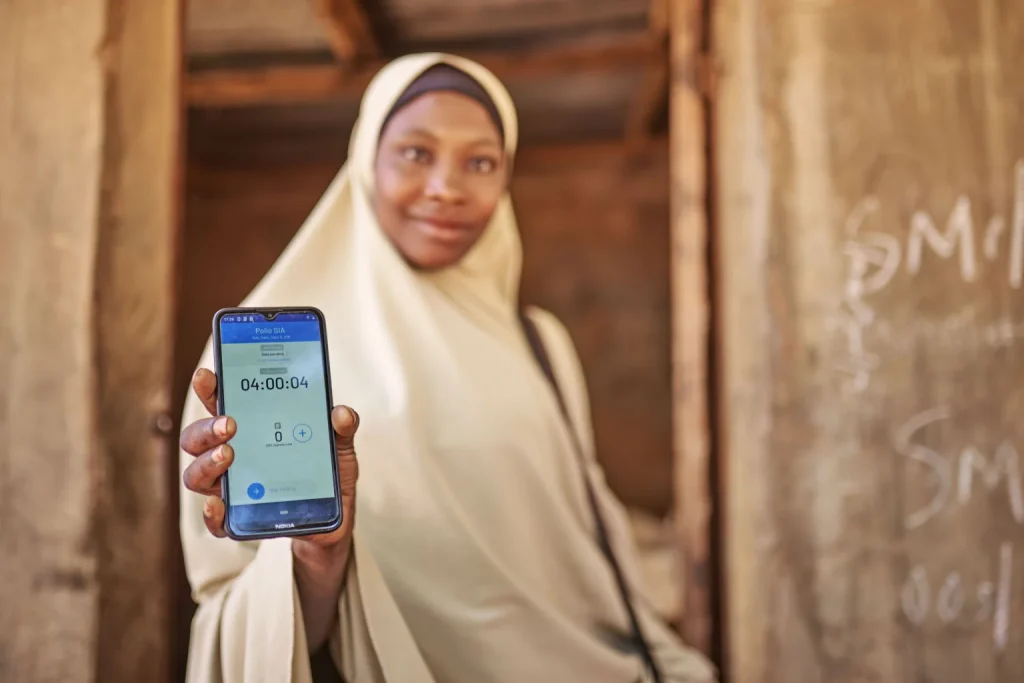
Nigeria’s immunisation challenge is not simply about producing enough vaccines. It is also about ensuring that vaccines reach the children who need them, remain effective during transportation and are available at health facilities when families arrive.
Across several parts of the country, particularly remote and underserved communities, weaknesses in healthcare infrastructure, unreliable electricity, poor road networks, limited access to accurate population data and supply-chain disruptions continue to complicate vaccination programmes.
For organisations working to improve public health, these challenges require more than additional vaccine supplies. They demand better planning, reliable logistics and technology that helps health workers identify communities that conventional healthcare systems struggle to reach.
This is where eHealth Africa is making an impact.
The Nigeria-based nonprofit is using geospatial technology, digital data-management platforms, vaccine tracking systems and improved distribution infrastructure to strengthen immunisation delivery. Its approach focuses on solving problems across the entire vaccination process, from identifying settlements that need attention to ensuring that vaccines arrive safely at local healthcare facilities.
Its work demonstrates how technology can help address some of the structural problems affecting Nigeria’s healthcare system.
Using Geospatial Technology to Find Missed Communities
One of the biggest obstacles to immunisation in Nigeria is identifying children who have not received essential vaccines.
In communities with incomplete settlement records, difficult terrain or limited healthcare infrastructure, vaccination teams may struggle to locate households and plan effective outreach campaigns.
eHealth Africa addresses this challenge through its Geospatial Tracking System (GTS), which uses geographic information systems to map settlements, track vaccination activities and support more accurate campaign planning.
The technology helps health authorities identify settlements that may otherwise be overlooked, particularly in areas where population movement, insecurity and poor infrastructure make conventional planning difficult.
Its PlanFeld digital platform also supports vaccination planning through digitised microplans and catchment-area maps, helping teams understand where they need to operate and how to distribute their resources.
According to eHealth Africa’s September 2026 mid-year report, the organisation supported vaccination campaigns that reached more than 205,000 settlements across Nigeria during the first half of the year. More than 23 million children were reached and vaccinated against polio and other vaccine-preventable diseases. eHealth Africa
These figures illustrate the potential of combining geographic information with field operations to improve vaccination coverage.
Digital Tools Are Improving Vaccine Distribution
Finding children who need vaccines is only one part of the problem. The next challenge is ensuring that vaccines reach health facilities without unnecessary delays.
Nigeria’s vaccine distribution system involves multiple stages, including national storage facilities, state cold stores, local government distribution points and primary healthcare centres. Weak coordination at any stage can result in shortages, delayed deliveries or wasted supplies.
To address these problems, eHealth Africa operates its Vaccine Direct Delivery (VDD) programme, which uses digital logistics tools to improve the movement of vaccines from state cold stores directly to primary healthcare facilities.
One of its important technologies is the Logistics Management Information System (LoMIS) Deliver application. The platform supports delivery planning, logistics monitoring, data collection and accountability. It gives relevant stakeholders better visibility into vaccine distribution activities and helps identify operational problems.
The programme currently has a footprint in Bauchi, Kano, Sokoto and Zamfara states.
According to the organisation’s programme data, between 2014 and February 2024, its Vaccine Direct Delivery intervention facilitated the delivery of more than 52.8 million potent vaccine antigens and 33.3 million units of dry commodities across health facilities in four states. The programme also reported that more than 25.8 million children were immunised with life-saving vaccines during the period. eHealth Africa
The importance of this model goes beyond transporting medical supplies. By improving delivery schedules and tracking distribution activities, digital logistics systems can help health authorities reduce stock-outs and ensure that facilities receive the quantities they require.
Protecting Vaccines Through Cold Chain Technology
Another significant challenge is maintaining vaccine quality.
Most vaccines require specific temperature conditions throughout storage and transportation. Exposure to excessive heat or freezing temperatures can compromise their effectiveness, making cold chain management essential to successful immunisation programmes.
Unfortunately, some Nigerian healthcare facilities operate with unreliable electricity and inadequate refrigeration infrastructure. In remote communities, vaccines may also travel long distances before reaching health workers.
eHealth Africa is responding through investments in cold chain monitoring, temperature-tracking technology and renewable energy.
Its interventions include the deployment of digital monitoring tools such as Varo and PogoLT, which support the monitoring of vaccine refrigeration equipment and help identify problems requiring maintenance.
The organisation has also introduced improved vaccine carriers, including the Indigo vaccine carrier, which incorporates temperature monitoring and provides extended temperature protection during transportation and outreach activities.
In Borno State, where insecurity and logistical difficulties can complicate routine immunisation, the Indigo intervention has helped health workers transport vaccines to communities that are difficult to access.
eHealth Africa’s programme information reports that 302,231 children were immunised using Indigo vaccine carriers, which were deployed 3,349 times to health facilities in the state. eHealth Africa
These technologies are particularly important because delivering vaccines is not enough. They must arrive in conditions that preserve their effectiveness.
Solar Energy Is Strengthening Primary Healthcare Facilities
Electricity remains another major barrier to reliable immunisation in Nigeria.
Primary healthcare centres need dependable power to operate refrigeration equipment, preserve vaccines and provide essential medical services. Where electricity supply is unreliable, facilities may depend on generators, which increase operating expenses and create additional logistical challenges.
eHealth Africa is addressing this issue through renewable energy investments.
Its 2025 annual impact report revealed that the organisation solarised 238 primary healthcare facilities across 12 Nigerian states. According to the report, these interventions strengthened cold chain operations and improved access to essential healthcare services. eHealth Africa
The organisation also reported that primary healthcare facilities supported by its interventions recorded increased delivery activity, with some facilities handling three times their previous number of deliveries.
Solar power can therefore provide benefits beyond vaccine storage. It can help health facilities maintain essential operations, reduce dependence on expensive fuel and improve their ability to serve surrounding communities.
This is an important development because digital health technology cannot deliver its full potential without the physical infrastructure needed to support it.
Better Data Can Improve Government Decisions
Beyond logistics and infrastructure, eHealth Africa’s work highlights the importance of accurate health information.
Vaccination programmes require reliable information about population distribution, vaccine availability, immunisation coverage and the performance of frontline health workers.
Without dependable data, government agencies may struggle to determine which communities require additional resources or whether vaccination campaigns are achieving their targets.
eHealth Africa has supported Nigeria’s Electronic Management of Immunisation Data (EMID) system, designed to improve the collection and management of immunisation information.
The organisation reports that 12,116 participants were trained across Nigeria’s 36 states and the Federal Capital Territory to use the EMID application. eHealth Africa
This investment in digital capacity is significant because technology is only useful when healthcare workers understand how to apply it.
By improving data collection and management, digital systems can support better planning, monitoring and accountability across immunisation programmes.
The Challenges That Still Need Attention
Despite these achievements, technology alone cannot eliminate Nigeria’s immunisation gaps.
Millions of children still face barriers to routine vaccination because of poverty, insecurity, misinformation, inadequate healthcare facilities and limited access to qualified health workers.
In some communities, parents may not understand the importance of completing vaccination schedules. In others, families live too far from the nearest primary healthcare centre.
There is also the question of sustainability. Digital platforms require maintenance, reliable electricity, internet connectivity and trained personnel. Solar installations and refrigeration equipment must be maintained, while vaccine distribution programmes need consistent funding and coordination between government agencies and development partners.
For eHealth Africa, the long-term challenge is ensuring that the systems it develops become sustainable parts of Nigeria’s public healthcare infrastructure rather than remaining dependent on individual projects or external support.
Stronger collaboration with state governments, the National Primary Health Care Development Agency, healthcare workers and international development organisations will be essential to maintaining progress.
What This Means for Nigeria’s Healthtech Industry
eHealth Africa’s approach offers an important lesson for Nigeria’s growing healthtech sector.
Much of the conversation around healthcare innovation focuses on telemedicine, digital consultations, electronic medical records and health insurance platforms. While these technologies are important, some of the country’s most urgent healthcare problems exist behind the scenes.
Vaccine distribution, cold chain management, settlement mapping and immunisation data are less visible to consumers, but they determine whether essential healthcare services reach the people who need them.
This creates opportunities for technology companies to develop solutions that strengthen the operational foundations of healthcare delivery.
For investors and development partners, it also highlights the importance of supporting innovations that improve public health infrastructure, particularly in underserved communities.
eHealth Africa is demonstrating that closing Nigeria’s immunisation gaps requires more than increasing vaccine supplies. It requires a coordinated system that identifies missed communities, improves distribution, protects vaccine quality and gives healthcare authorities reliable information.
Through geospatial mapping, digital logistics platforms, temperature-monitoring systems, solar-powered facilities and immunisation data management, the organisation is helping address some of the operational weaknesses that prevent children from accessing life-saving vaccines.
Its reported impact across millions of children and thousands of healthcare delivery points demonstrates the potential of technology when combined with local expertise and government partnerships.
The real value of healthtech is not how sophisticated the technology looks, but how many lives it helps protect. For Nigeria, the next priority is to expand these solutions, strengthen their long-term sustainability and ensure that no child misses essential immunisation simply because of where they live.
Sources and further reading
- eHealth Africa’s 2026 Mid-Year Impact Report – Vaccination campaigns, PlanFeld deployment and vaccine delivery.
- eHealth Africa’s 2025 Annual Impact Report – Immunisation results, solar-powered healthcare facilities and vaccine distribution.
- eHealth Africa’s Programme Areas – Geospatial tracking, vaccine delivery, cold chain and immunisation data systems.
- How eHealth Africa Is Expanding Immunisation Reach with Potent Vaccine Delivery – Vaccine logistics and cold chain management
Leave a Reply