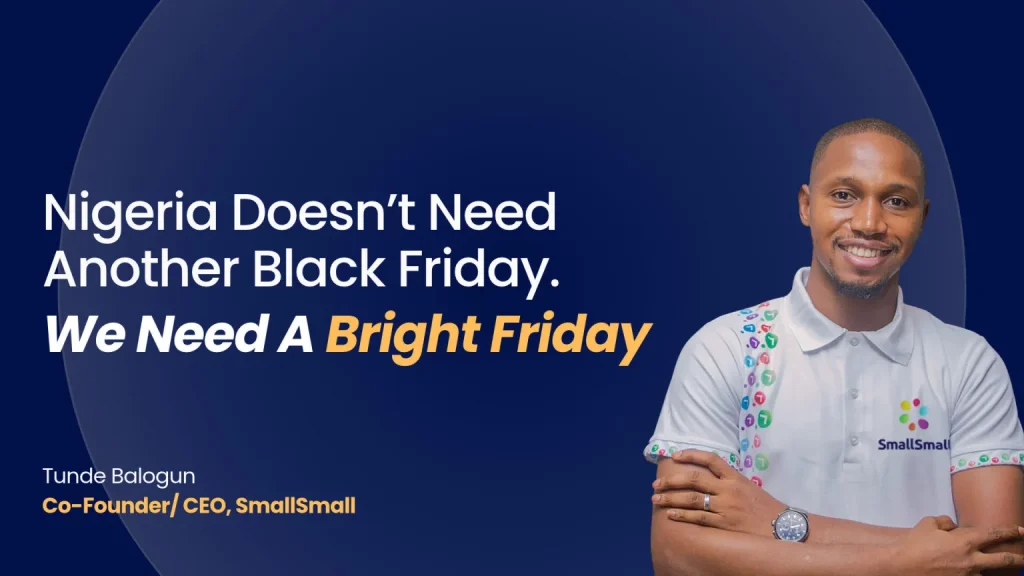
Nigeria’s retail market does not necessarily need another shopping festival built around discounts, countdowns and aggressive advertising. What it needs is a shopping culture that delivers genuine value, supports local businesses and helps consumers make better financial decisions. That is the idea behind a different approach: Bright Friday.
Black Friday has become a familiar feature of Nigeria’s shopping calendar. Retailers, e-commerce platforms and payment companies use the period to attract customers with promotional offers, reduced prices and limited-time deals. For consumers facing rising living costs, the promise of cheaper products can be attractive.
However, the excitement surrounding Black Friday can sometimes overshadow an important question: are shoppers actually getting good value for their money?
A Bright Friday would shift attention from the size of advertised discounts to the real benefits of shopping.
Nigeria’s retail market is approaching another season of Black Friday promotions, but a growing conversation is challenging the idea that temporary discounts are enough to make essential goods affordable. Instead of focusing only on price reductions, the conversation is shifting towards payment flexibility and helping consumers manage their finances.
That is the thinking behind Bright Friday, an initiative introduced by Nigerian technology company SmallSmall as an alternative to the traditional Black Friday shopping model.
The campaign, built around the theme “Keep Your Cash, Pay SmallSmall,” encourages Nigerians to access essential products and services through structured instalment payments rather than making large upfront payments.
Beyond Discounts
Black Friday has become a major promotional opportunity for retailers and online marketplaces. Businesses use discounted prices to attract customers, increase sales and clear inventory, while shoppers look for opportunities to save money.
However, discounts do not necessarily solve the affordability challenges facing Nigerian households.
For consumers dealing with competing expenses, even a reduced price may remain difficult to pay at once. Essential purchases such as household appliances, educational equipment, electronics and housing-related expenses can place significant pressure on limited budgets.
SmallSmall co-founder and chief executive officer, Tunde Balogun, argues that high upfront costs are a major barrier to consumer access. He believes flexible payment arrangements can help Nigerians spread expenses over an agreed period while preserving cash for other necessities.
The Growing Demand for Flexible Payments
The initiative reflects increasing interest in alternative consumer financing, including Buy Now, Pay Later (BNPL) services.
According to figures cited by Balogun, Nigeria’s BNPL market was valued at approximately $1.62 billion in 2025 and is projected to reach $2.61 billion by 2030.
He also referenced the 2026 Access to Financial Services survey by EFInA, which indicates that formal financial inclusion has reached 73 per cent, representing 87.2 million adults, while access to formal credit remains much more limited.
This gap highlights an important challenge: having access to a bank account does not automatically mean having access to affordable financing.
Through its SmallSmall App and platforms, including ShopSmallSmall, BuySmallSmall and RentSmallSmall, the company aims to make selected purchases and services more accessible through instalment arrangements.
Affordability Must Come with Responsibility
Although flexible payments can reduce immediate financial pressure, they are not automatically cheaper than paying upfront. Consumers must understand repayment schedules, additional charges, penalties and other conditions before committing.
Providers also have a responsibility to ensure transparent pricing and responsible lending practices.
A Different Shopping Culture
Bright Friday raises a broader question about the future of retail in Nigeria. Rather than encouraging consumers to spend more simply because products are discounted, businesses could focus on making essential purchases financially manageable.
For retailers and technology companies, this also creates an opportunity to build stronger customer relationships beyond seasonal promotions.
Nigeria may not need another shopping frenzy. It needs solutions that recognise consumers’ financial realities. If flexible payments are delivered transparently and responsibly, Bright Friday could represent a more practical approach to affordability and everyday spending.
Leave a Reply