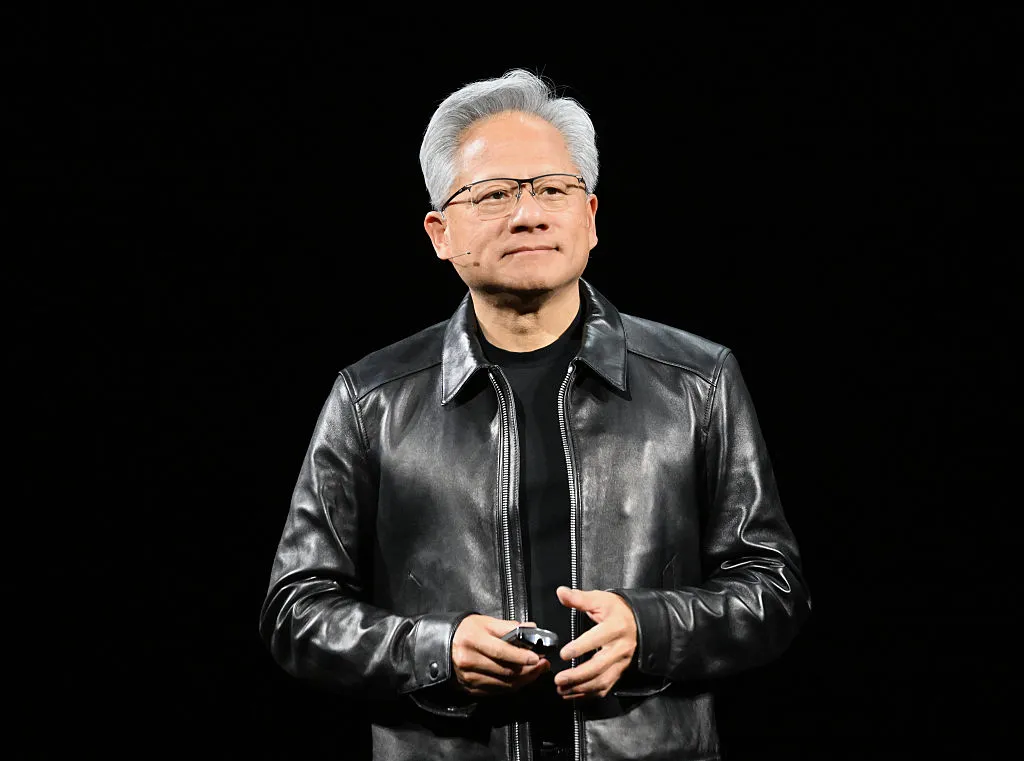
Nvidia has reinstated co-founder Jensen Huang as its president and chief executive officer, reversing its earlier decision not to bring him back just days after accepting his resignation. The unexpected development, announced on November 23, 2026, ends an 11-day leadership crisis at the world’s leading artificial intelligence chipmaker, but leaves important questions about corporate governance, national security and executive accountability.
The company’s board voted unanimously to restore Huang to his previous position, effective immediately. The decision followed a series of discussions and meetings during which directors said they became satisfied with his candour and ability to lead the company. Nvidia also said it received input from senior US government officials and was confident that Huang’s return did not pose a national security risk.
What led to Huang’s departure?
Huang’s resignation followed reports concerning alleged extramarital relationships and concerns about his personal conduct. The controversy attracted additional scrutiny because of allegations involving a Chinese businesswoman reportedly connected to a company under investigation for suspected violations of US export controls.
The situation raised concerns about potential national security implications, particularly because Nvidia produces advanced AI chips that are subject to restrictions on sales to China.
On November 17, Nvidia chairman Harvey Jones announced that the board had unanimously accepted Huang’s resignation and did not intend to reinstate him. Chief Financial Officer Colette Kress subsequently took over as interim chief executive while the company considered its leadership options.
Huang later acknowledged making serious mistakes in his personal life and indicated that he would be willing to return if the board believed it was in the company’s best interests. His position attracted support from employees, investors and prominent technology figures, while US President Donald Trump also publicly backed his possible return.
Why Nvidia changed its decision
The board’s reversal came after further discussions with Huang and renewed attention from investors and political figures.
In its November 23 announcement, Nvidia said directors were satisfied with Huang’s candour and leadership capabilities. The company also cited input from senior US government officials in reaching its conclusion that his reinstatement would not create a national security risk.
However, the company has not said that all investigations surrounding the controversy have been completed. Nvidia confirmed that an independent board committee’s investigation into reports that Huang was targeted by foreign intelligence would continue.
The company has also established a separate National Security and Export Control Committee to oversee trade compliance and related risks. It is searching for a chief compliance officer who will oversee compliance across the organisation and report to the board’s governance committee.
Market reaction and investor confidence
Huang’s return has significant implications for investors because he has been central to Nvidia’s growth and its position in the global artificial intelligence industry.
Under his leadership, Nvidia transformed from a graphics processing chipmaker into a major supplier of the processors used to train and operate advanced AI systems. Its hardware supports the expansion of data centres, cloud computing services and generative AI applications.
The announcement of his reinstatement triggered a strong market reaction. Nvidia shares rose 31.5% on November 23, contributing to a broader recovery in US technology stocks. The rally reflected investor relief over the restoration of a familiar leader, although it does not remove the regulatory and governance concerns facing the company.
What comes next?
Huang’s return may restore some leadership stability, but Nvidia still faces questions about its internal oversight, export-control compliance and the circumstances surrounding his departure.
The board must demonstrate that its decision was based on a credible assessment of the company’s long-term interests rather than external pressure. Its ongoing investigations will also be important in determining whether further governance or compliance changes are necessary.
For the wider AI industry, the episode illustrates how leadership decisions at major technology companies can have consequences beyond corporate performance. Nvidia’s chips are central to global AI development, making its leadership, regulatory relationships and business decisions matters of international significance.
Huang is back in charge, but the controversy is far from over. Nvidia’s next challenge will be maintaining investor confidence while demonstrating that its governance and compliance systems can withstand the scrutiny surrounding one of the world’s most influential technology companies.
Sources
Leave a Reply