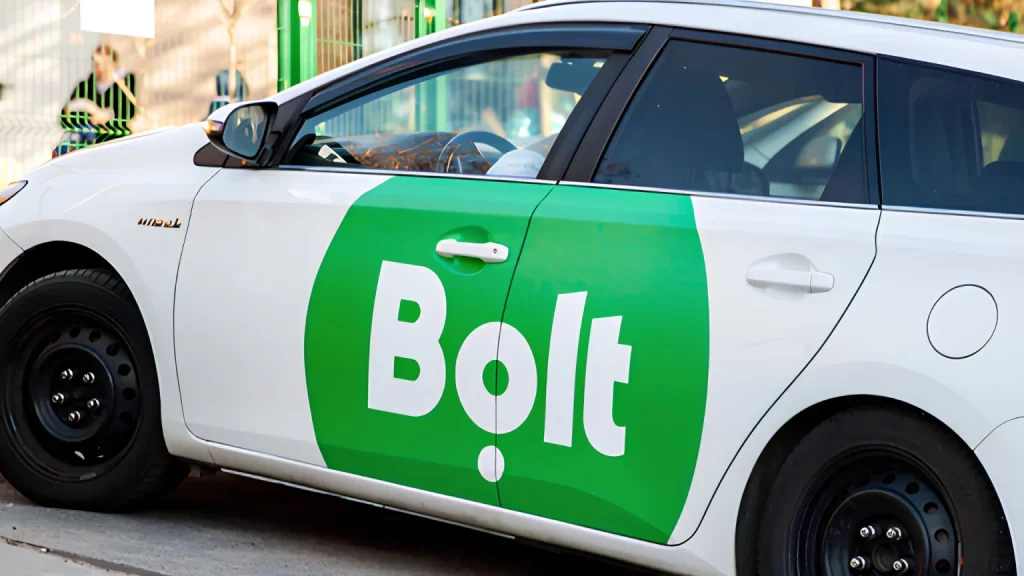
When Bolt entered Nigeria in 2016 as Taxify, its ambition was relatively straightforward: make urban transportation more accessible by connecting passengers with drivers through a mobile application. Ten years later, the Estonian mobility company has grown into one of the country’s most recognisable digital transportation platforms. However, as Nigeria’s economic conditions, consumer behaviour and mobility needs continue to change, Bolt is looking beyond its traditional ride-hailing business for its next phase of growth.
The company’s journey reflects how technology-driven businesses must continually reinvent themselves to remain competitive in challenging markets. For Bolt, the next decade may be less about simply moving passengers from one destination to another and more about building a broader mobility ecosystem.
From Taxify to a Major Mobility Platform
Bolt launched in Lagos in 2016 under the name Taxify, entering a market where traditional taxis and informal transportation services dominated urban commuting. Its competitive pricing and lower driver commissions helped attract passengers and drivers, allowing it to establish a presence against established competitors.
The company rebranded from Taxify to Bolt in 2019 as it expanded its international identity and service offerings.
Its Nigerian operations have since grown considerably. In November 2026, Bolt announced that it had invested more than ₦140 billion in Nigeria since its launch, reached over 14 million riders and created approximately 470,000 income opportunities. The company also reported operations across 31 Nigerian cities.
These figures demonstrate the scale of its operations and the importance of Nigeria to its African business.
Moving Beyond Traditional Ride-Hailing
Bolt’s ambition to expand beyond conventional ride-hailing is not entirely new. Over the years, the company has experimented with different services designed to address transportation, logistics and mobility challenges.
One example was Bolt Business Delivery, introduced in April 2020 during the COVID-19 pandemic. The service connected businesses with couriers who could deliver goods to customers, providing an alternative channel for companies operating under movement restrictions.
In January 2020, Bolt also introduced tricycle-hailing in Uyo, Akwa Ibom State, recognising that transportation needs differ across Nigerian cities. Rather than relying exclusively on conventional cars, the company incorporated an existing form of local transportation into its platform.
Another important development was its vehicle financing initiative. Through partnerships with Sterling Bank’s Alternative Finance and mobility company Metro Africa Xpress (MAX), Bolt explored ways to help eligible drivers access vehicles and participate in the ride-hailing economy.
These initiatives illustrate a broader understanding of mobility: connecting people, vehicles, businesses and services through technology.
Electric Mobility Creates Another Opportunity
Electric transportation is another area where Bolt is positioning itself for the future.
In April 2025, the company introduced electric tricycles in Lagos through a partnership with local electric mobility company SGX Mobility. The initiative reflected growing interest in alternative transportation technologies as fuel costs and vehicle operating expenses continued to challenge drivers.
Nigeria’s transportation sector faces significant pressure from petrol prices, maintenance expenses and the cost of acquiring vehicles. Electric mobility could offer opportunities to reduce some operating costs over time, although charging infrastructure, battery replacement, financing and electricity reliability remain important obstacles.
For Bolt, partnerships in this area could create opportunities to participate in the transition towards more sustainable urban transportation without having to build an entire electric vehicle manufacturing business itself.
The Lessons From Bolt Food
Bolt’s expansion has not been without setbacks. In October 2021, it launched Bolt Food in Nigeria, entering the competitive food delivery market and connecting restaurants, customers and delivery couriers.
The service attracted thousands of restaurant partners and facilitated more than one million meal deliveries. However, Bolt discontinued its Nigerian food delivery operations in 2023 as part of a broader decision to streamline resources and improve efficiency.
The experience highlights an important lesson: expanding into adjacent markets does not automatically guarantee profitability.
Food delivery requires substantial investment in logistics, customer acquisition, merchant relationships and delivery infrastructure. In a market where consumers are sensitive to prices and businesses face rising operating expenses, maintaining sustainable margins can be difficult.
Bolt’s next expansion strategy will therefore need to balance growth opportunities with commercial discipline.
A Changing Competitive Landscape
Bolt’s future in Nigeria is also being shaped by changes in the ride-hailing industry. In September 2026, Uber discontinued its Nigerian operations after 12 years, creating an opportunity for competing platforms to attract drivers and passengers.
Bolt now has an opportunity to strengthen its market position, but increased market share will not automatically translate into long-term profitability. Drivers continue to face high fuel prices, vehicle maintenance costs and commission-related concerns, while passengers remain sensitive to rising fares.
The company’s ability to maintain a healthy relationship with both groups will be central to its future success.
What the Next Decade Could Look Like
Bolt’s next phase will likely depend on how effectively it combines transportation services, technology, partnerships and alternative mobility solutions.
Expanding courier services, supporting electric vehicles, improving driver financing and introducing locally relevant transportation options could help the company diversify its revenue opportunities.
However, the company must also recognise that Nigeria’s transportation market has unique challenges. Unreliable electricity, inadequate infrastructure, regulatory differences across states and limited consumer purchasing power can make expansion expensive.
Rather than pursuing every available opportunity, Bolt will need to prioritise services that solve genuine problems and have sustainable business models.
Conclusion
After ten years in Nigeria, Bolt has established itself as more than a newcomer competing for passengers in Lagos. Its investment, geographical expansion and growing network of drivers and riders demonstrate the scale of its local presence.
But its next chapter will require a different kind of ambition. The opportunity is no longer simply to become a bigger ride-hailing company. It is to become a broader mobility platform that supports transportation, logistics, vehicle access and more sustainable movement across Nigerian cities.
Whether Bolt can successfully make that transition will depend on its ability to innovate while remaining commercially sustainable. Its first decade established its position in Nigeria’s mobility market. The next decade will determine how much further that position can take it.
Leave a Reply